

A seed with a long ceremonial history
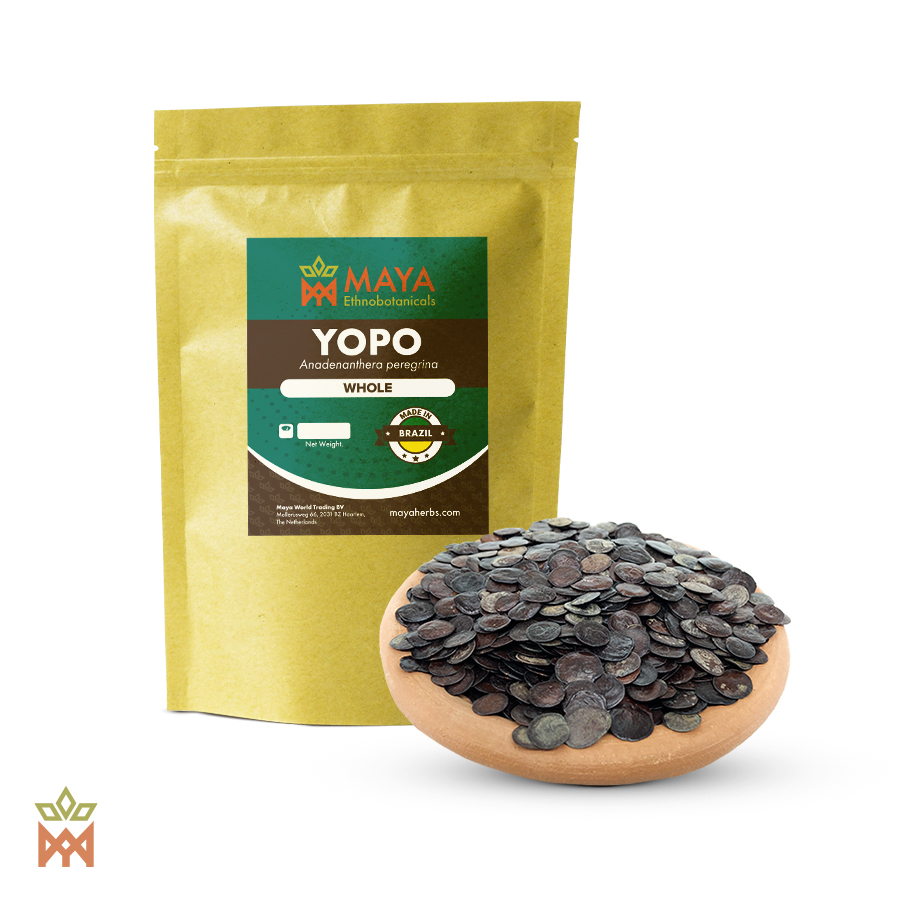
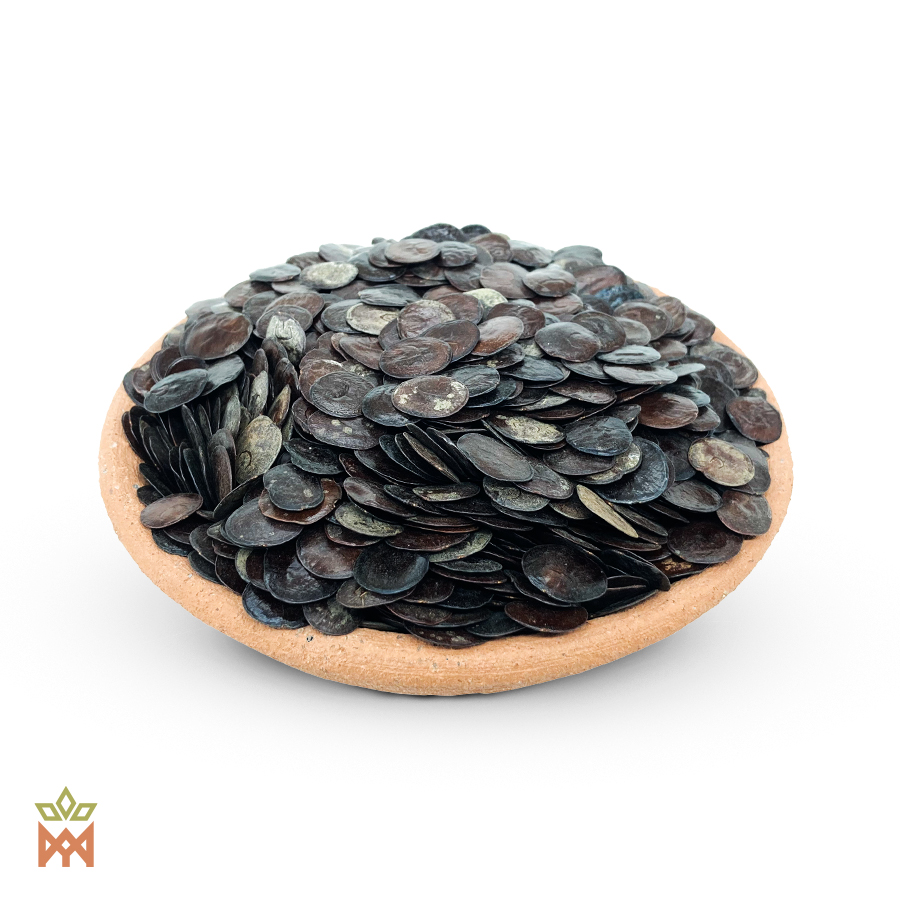
Yopo comes from Anadenanthera peregrina, a tree with finely divided leaves, rounded flower heads and long pods holding flat, brown seeds. Those small seeds have a place in some of South America’s most carefully documented plant traditions. Among peoples of the Orinoco region, ceremonial snuffs made from Yopo have been associated with specialist knowledge, the interpretation of visions and the stories through which a community understands its world. Our Yopo is supplied as whole seeds.
The tree behind Yopo
A member of the legume family, A. peregrina is native to parts of the Caribbean and tropical South America, including Brazil, Colombia and Venezuela. It grows primarily in seasonally dry tropical environments. Its delicate foliage can give it the appearance of a mimosa, and older botanical accounts sometimes call it Piptadenia peregrina.
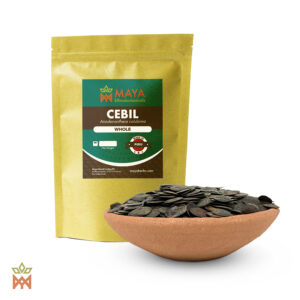
Yopo and Cebil are closely related, and their common names sometimes overlap in trade. In our collection, Yopo is A. peregrina, while Cebil seeds are listed as Anadenanthera colubrina. Their histories overlap, but the named communities and ceremonial settings deserve to be understood on their own terms.
Yopo in Piaroa and Cuiva life
Among the Piaroa of southern Venezuela, Yopo forms part of a demanding tradition of shamanic learning. Anthropologist Robin Rodd describes märipa, an understanding of power as knowledge gained through visionary experience and brought into everyday life. Practitioners speak of studying, acquiring information and learning to interpret relationships between people, spirits and events. Visions are understood within a long education in observation, mythology and responsibility.
This helps explain why Yopo has been valued as a sacred plant. In these accounts, its importance lies in what a trained practitioner believes can be learned: insight into a difficult situation, an understanding of social tensions, or guidance for decisions. His account of Piaroa divination places particular emphasis on learning to recognise emotions and interpret relationships. Yopo’s sacred character belongs to this relationship between learning and the life of the community.
The nearby Cuiva give Yopo a different social emphasis. Fieldwork by Rodd and Arelis Sumabila connects it with the performance of narratives central to Cuiva identity, and with maintaining a sense of dignity and continuity under persecution. These neighbouring traditions show how a plant’s meaning is shaped by the history and values of the people who know it.
Cohoba and the Caribbean record
A related history survives in Taíno ceremonial objects from the Caribbean. Museum scholarship associates cohoba, a ceremonial preparation probably derived from A. peregrina, with carved stands and figures known as zemís. These objects belonged to a world in which ancestral and divine presence, ceremony and political authority were closely connected. The surviving sculptures connect this Caribbean history with the broader cultural importance of the seeds.
Explore the Yopo collection for the related seed and bark specimens in this part of our catalogue.
Selected references
- Royal Botanic Gardens, Kew — Anadenanthera peregrina: accepted name and distribution.
- USDA identification resource — Anadenanthera fruits and seeds.
- Rodd (2003) — Märipa: to know everything.
- Rodd (2006) — Piaroa divination and the interpretation of emotion.
- Rodd & Sumabila (2011) — Piaroa and Cuiva Yopo use.
- The Metropolitan Museum of Art — Arte del mar: Taíno cohoba traditions.
This product is sold as a botanical specimen. Information on traditional, cultural and reported uses is provided for educational and ethnobotanical purposes only and is not a recommendation for any particular use. This product is not intended to diagnose, treat, cure or prevent any disease.
Reviews
There are no reviews yet.