

Salai — frankincense from India’s dry forests
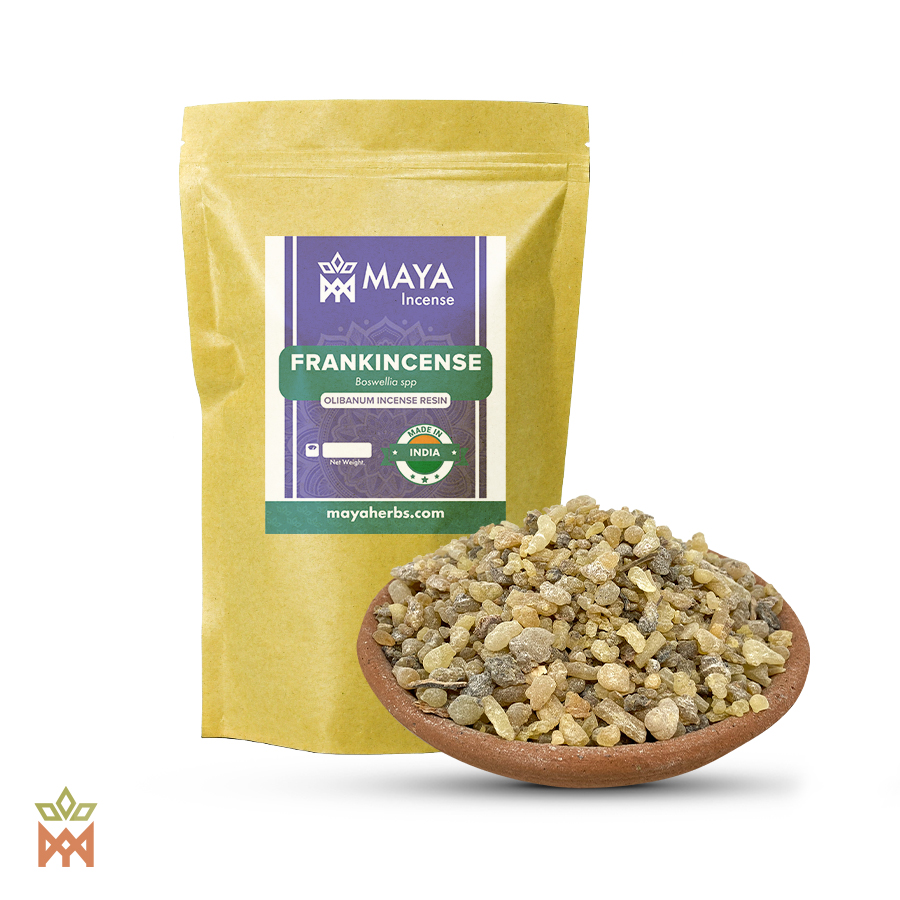
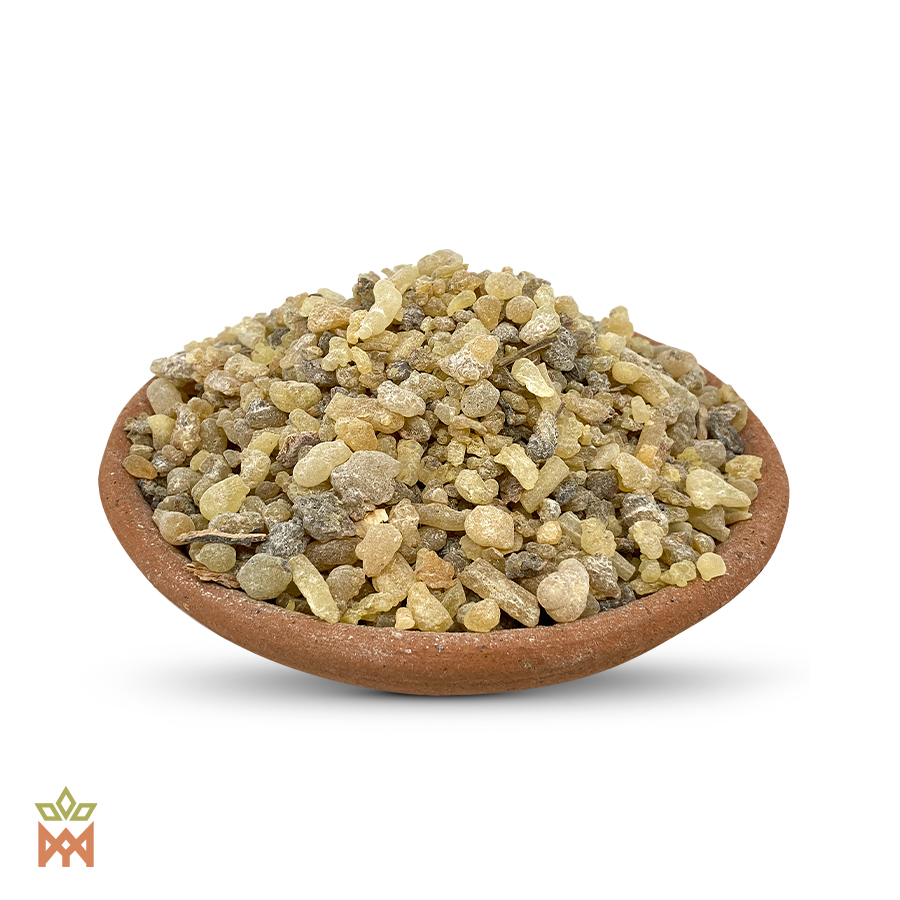
Woody notes, a touch of citrus and a gentle sweetness give this Indian frankincense its aromatic character. Known as Indian olibanum or salai, it is the resin of Boswellia serrata, a tree closely associated with the dry forests of the Indian subcontinent. A few pieces warmed as incense bring its fragrance into a room, whether accompanying prayer, meditation or a quiet moment at home.
The tree behind the resin
Salai is a deciduous tree with a spreading crown and thin bark that peels in papery flakes. It grows on rocky slopes and in seasonally dry woodland, including parts of central India. Its resin develops in the bark: when the surface is injured or tapped, a milky exudate emerges and gradually hardens into fragrant pieces.
The material is an oleo-gum-resin, combining aromatic oils with gum and resinous components. Collecting, drying and sorting it preserves a connection between the living tree and the incense. Careful tapping matters to the tree’s continued health; Indian forestry guidance recommends controlled cuts and periods of rest between harvesting cycles.
Indian olibanum and incense tradition
Salai has an established place in Indian incense making and religious practice. The names salai guggal and Indian olibanum help identify this particular frankincense among the several Boswellia species traded for their resins. Its Indian provenance and woody, lightly citrus character are the focus of this preparation.
The loose resin can be appreciated on its own or used in an incense blend. Start with the individual fragrance before combining it with other materials, so its character remains easy to recognise.
Warming the resin
Place a small piece on a fully lit incense charcoal disc in a suitable heatproof burner, or use a burner designed for loose resin. Allow the fragrance to develop before adding more. Keep the remaining resin sealed, dry and away from heat.
Use incense in a ventilated space. Keep hot burners away from children, pets and flammable materials, and never leave them unattended. This resin is supplied for incense use, not for ingestion.
Explore our incense resins for other botanical origins and fragrances.
Reviews
There are no reviews yet.