

Myrrh from the Kenyan–Somali border
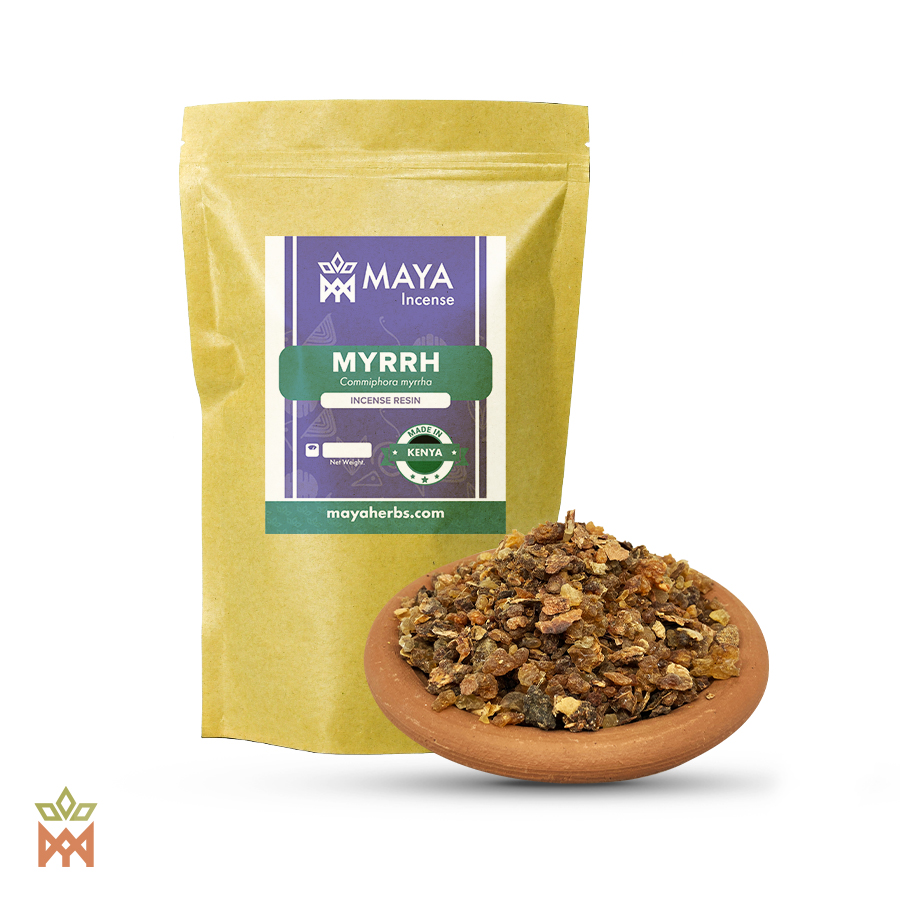
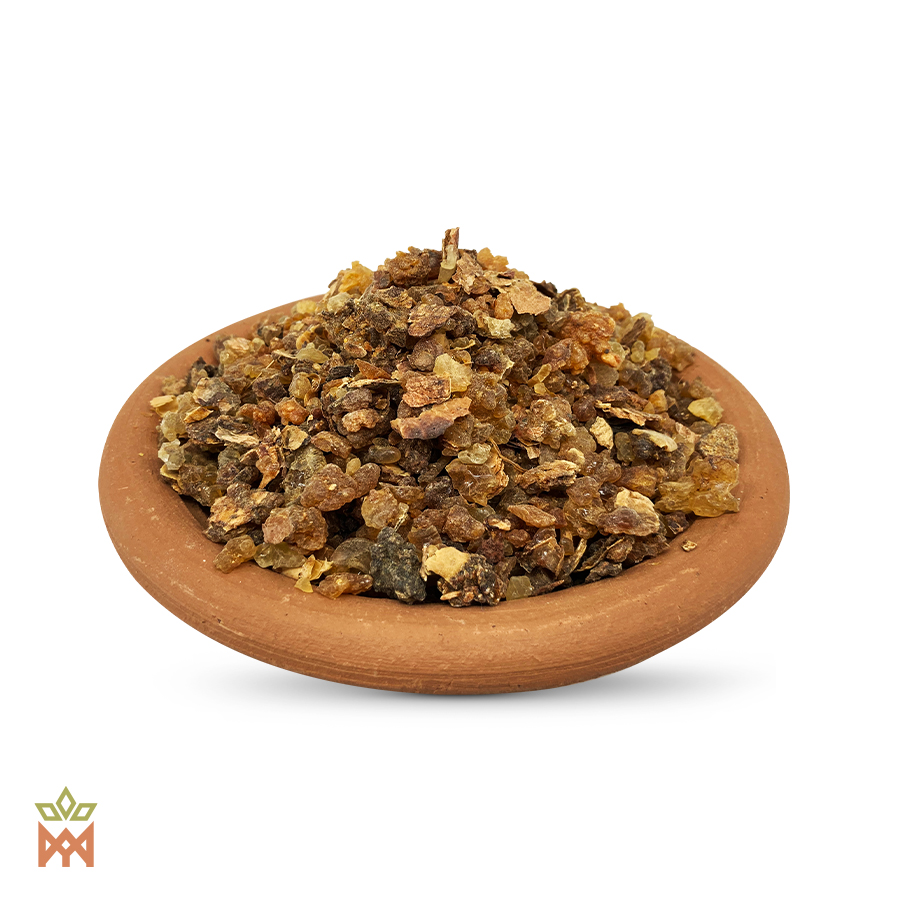
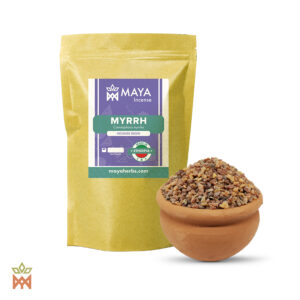
Wild-collected along the Kenyan–Somali border, this myrrh resin has a warm, balsamic fragrance with musky, earthy and woody tones. It comes from Commiphora myrrha, a small tree of the dry East African landscape whose aromatic resin has a long place in incense and religious ceremony.
The fragrance develops as the resin warms, bringing depth to an incense blend or standing on its own. Myrrh and frankincense are often used together in ceremonial incense, a pairing familiar from both the history and the living practice of religious worship.
The tree behind the resin
The myrrh tree belongs to the Burseraceae, the same botanical family as frankincense. It is a spiny shrub or small tree with pale, papery bark that peels to reveal greener layers beneath. Its sticky exudate hardens into gum-resin: the aromatic material collected for trade.
Commiphora myrrha grows naturally in northeastern Kenya and neighbouring parts of East Africa, as well as parts of the Arabian Peninsula. Its dry-country habitat helps explain the close association between resin collection and pastoral landscapes.
Myrrh in ceremony
In the Gospel of Matthew, myrrh is one of the gifts brought by the Magi, together with gold and frankincense. Its ceremonial history reaches further back: ancient Egyptians used myrrh in temple offerings and preparations for burial, and Greeks and Romans also burned it as incense.
Myrrh remains among the aromatics used in Christian worship. In that setting, rising incense smoke can symbolize prayer ascending to heaven. This religious meaning gives context to the resin’s enduring place in offerings and personal ritual.
Collection and the dryland economy
The Kenya Forestry Research Institute identifies myrrh among the commercially important gums and resins of Kenya’s arid and semi-arid counties. Collection and trade offer income from woodland resources alongside other rural livelihoods. Care for the trees, careful sorting and reliable trading relationships matter to that economy..
For the same named species from another origin, see our Ethiopian myrrh resin granules.
Using myrrh as incense
Begin with a small piece on a fully lit incense charcoal disc in a heatproof burner, or use a burner designed for resin. Allow the aroma to develop before adding more. Keep the resin sealed in a cool, dry place.
Use in a ventilated space, away from children, pets and flammable materials. Never leave a hot burner unattended. Supplied for incense use, not for ingestion.
Reviews
There are no reviews yet.