




Copal santo and Mexico’s living incense traditions
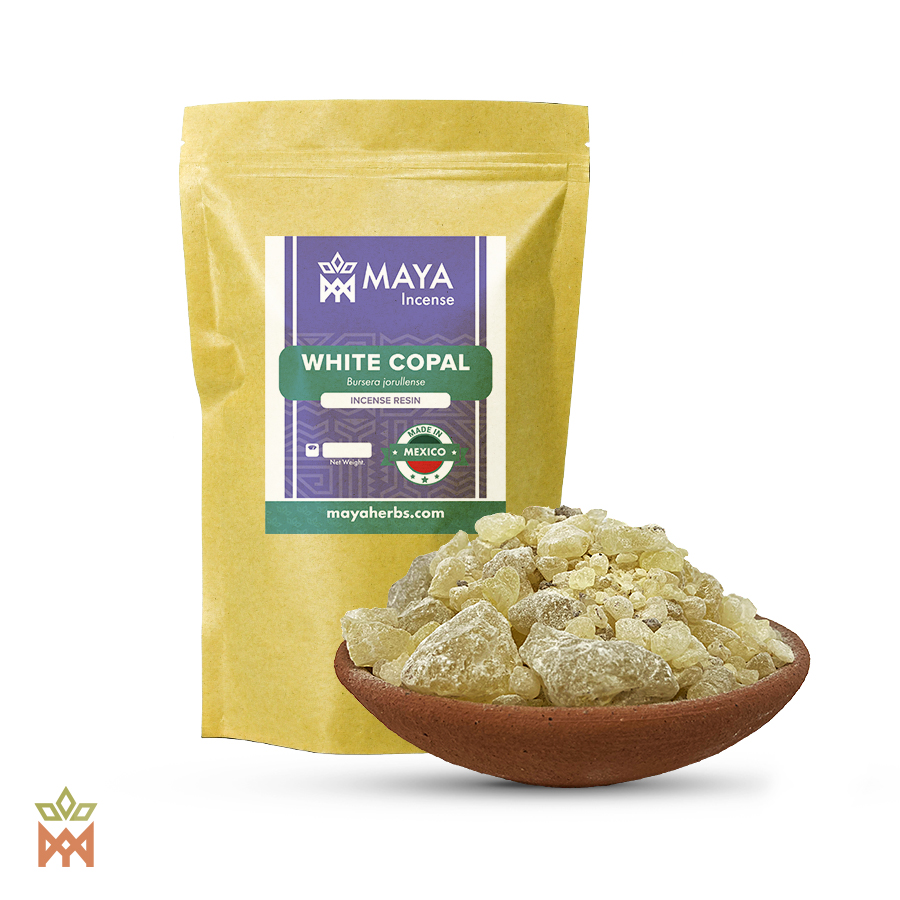
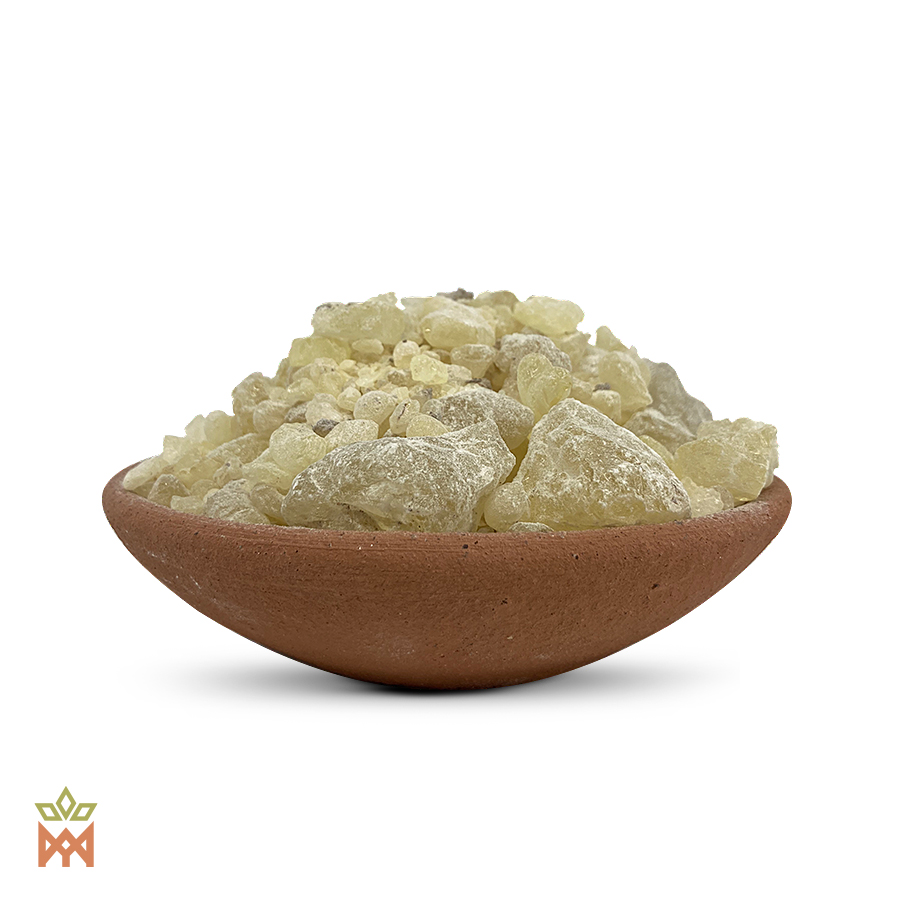
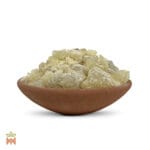
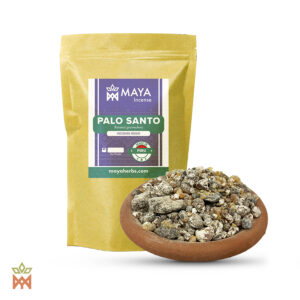
Sweet and woody, with touches of citrus and earth, this Mexican white copal carries a fragrance closely associated with offerings and remembrance. Known as copal blanco, it belongs to a tradition in which aromatic smoke gives a tangible presence to prayer: resin gathered from a tree becomes part of the life of an altar.
From the dry forest to the copalero’s hands
The botanical name traditionally attached to this product, Bursera jorullensis, is now treated as a synonym of Bursera copallifera. Native to Mexico’s seasonally dry forests, this tree is also known as copal santo. The Mixteca has long been an important producing region for its resin, which is also traded under the names white copal and copal de penca.
Those names preserve something of the collector’s craft. In a documented Mexican method, the copalero makes angled cuts in the bark and directs the flowing resin into a maguey leaf placed beneath them. As it hardens, the resin takes the shape of this natural vessel. The term de penca recalls the leaf used to receive it. It is a practical technique with a long history, linking knowledge of the tree to the material brought into homes and places of worship.
Fragrance as a welcome to the ancestors
Copal remains part of living traditions, including the offerings prepared for Día de Muertos. Among Nahua communities of the Alto Balsas region in Guerrero, accounts describe copal alongside flowers, candles, fruit, sweet bread and atole. The fragrance of the incense and flowers, together with the candle flames, is understood to guide the returning souls towards the family’s offering.
Here, the smoke has a place within an act of hospitality and remembrance. Food is set out, candles are lit and the familiar aroma helps mark the time when the living receive their dead. This is one specific Nahua account within Mexico’s many regional ways of preparing an ofrenda.
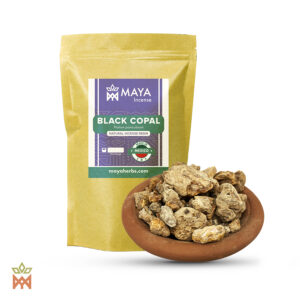
White copal’s ceremonial significance grows from these relationships between trees, collectors, households and the sacred. Its sweet, woody aroma can also be appreciated simply as loose incense. For another fragrance in the Mexican collection, see our Black Copal, also called Night Copal.
Warming white copal
Place a small piece on a fully lit incense charcoal disc in a heatproof burner, or use a burner designed for loose resins. Allow the fragrance to develop before adding more. Store sealed in a cool, dry place.
Use in a ventilated space, away from children, pets and flammable materials. Never leave a hot burner unattended. Supplied for incense use, not for ingestion.
Reviews
There are no reviews yet.