



A dark vine with a powerful traditional reputation
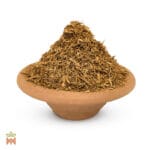
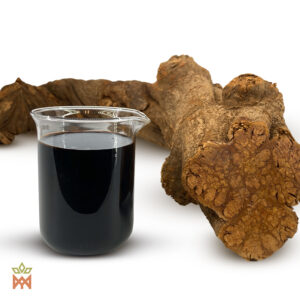
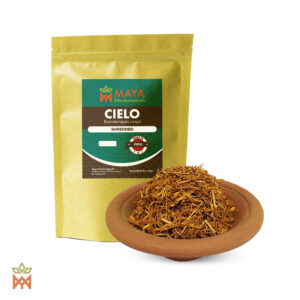
Black Caapi holds a distinctive place among Peru’s ayahuasca vines. Known as ayahuasca negra, it is recognised for its dark coloration and the forceful character attributed to it by experienced practitioners. Our Black Caapi is Banisteriopsis caapi from Peru, sustainably harvested and supplied as shredded woody vine.
Black and yellow caapi are traditionally recognised varieties within this species. Growers distinguish their vines through close observation of the living plant, together with knowledge of how particular plants behave in ceremonial practice. Colour, stem form and inherited cultivation knowledge all have a place in that understanding.
Recognising the black vine
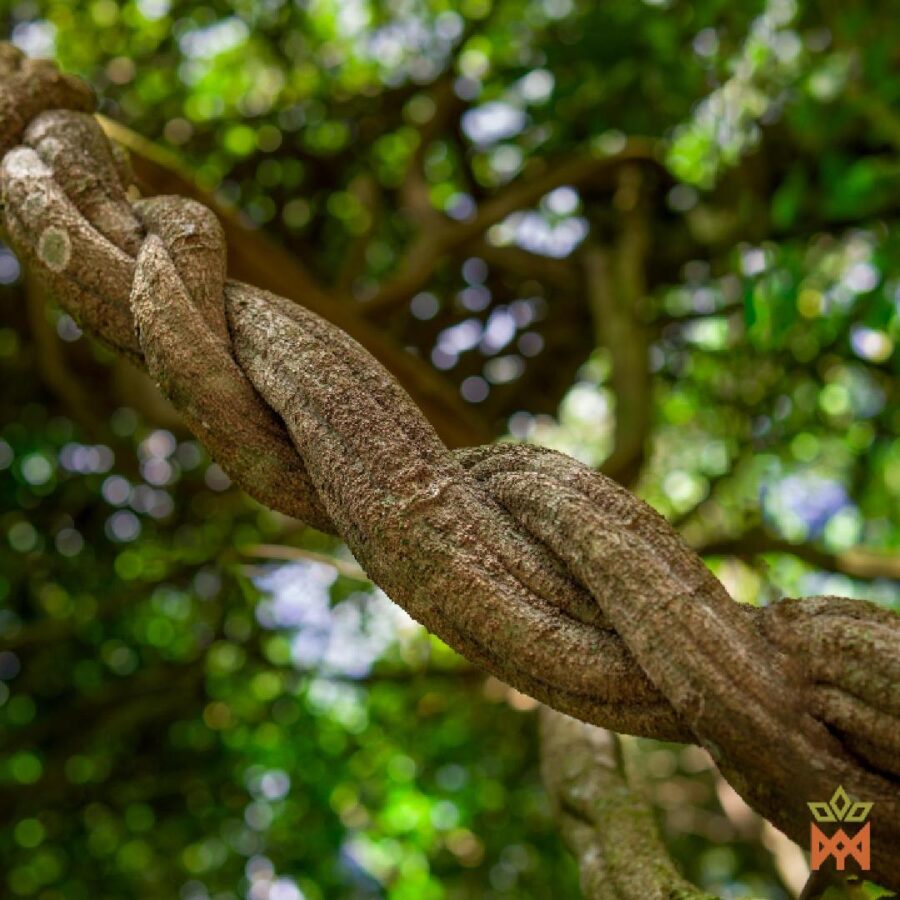
In Plant Teachers, Shawi healer Rafael Chanchari Pizuri describes a practical distinction: scratching a yellow vine reveals a yellow colour, while black types show darker material. He also describes small knots on the main stems of certain black varieties. These are observable differences in the plant, accompanying the different qualities recognised in his tradition.
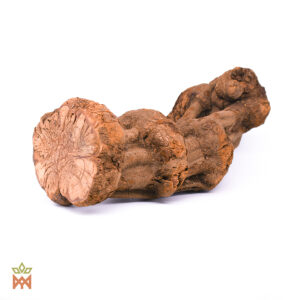
Caapi is a long-lived forest climber in the Malpighiaceae family. Its woody stems can develop fissured bark and a lobed outline as they grow. Botanist Bronwen Gates noted that cultivation from stem cuttings allows particular caapi lineages to be maintained, preserving selected plants through successive generations of cultivation.
Character and ceremonial use
Black caapi has a reputation for strength, but its spiritual significance differs between traditions. The Shipibo account presented by Caya Shobo describes black vine as particularly strong and associated with demanding work involving darker spiritual forces. Some Shipibo practitioners avoid it because of its association with sorcery.
Other practitioners give it an established place in ceremony. Research at Centro Takiwasi in Tarapoto records a deliberate choice of black caapi for its ayahuasca ceremonies, while yellow vine is used in its separate purgahuasca practice. That selection developed through years of collaboration with Indigenous and mestizo healers.
The Pacha Nishi cultivation project likewise records black caapi, called Wiso Nishi in its Shipibo account, among the varieties it studies. Its community describes the black vine as more familiar to certain mestizo vegetalistas. Together, these accounts place Black Caapi within a living tradition of selecting particular vines for particular purposes.
The vine’s chemistry
B. caapi contains the β-carboline alkaloids harmine, harmaline and tetrahydroharmine. A study of 159 caapi samples found substantial variation in their concentrations and proportions. Black Caapi’s traditional reputation for strength is therefore best understood alongside the individual character of the material; the research does not establish a fixed black-versus-yellow potency scale.
Our Peruvian Black Caapi
Maya sources this vine directly from Peru, with sustainable harvesting that respects the plant and its surrounding ecosystem. The shredded material retains the fibrous texture of the woody stem. Alongside our yellow caapi vine, it represents a distinct traditional variety with its own appearance, reputation and history of selection.
Selected references
- Rafael Chanchari Pizuri & Jeremy Narby — Plant Teachers (2021), interview excerpts reproduced by Plantaforma
- New York Botanical Garden — Banisteriopsis caapi, Flora Neotropica description
- Caya Shobo — Ayahuasca varieties in the centre’s Shipibo practice
- Graham, Rojas Saucedo & Politi (2023) — Icaros and ayahuasca ceremonies at Centro Takiwasi
- Pacha Nishi — Cultivated caapi varieties and community knowledge
- Santos and colleagues (2020) — Biodiversity of β-carboline profiles in Banisteriopsis caapi and related plants
This product is sold as a botanical specimen. Information on traditional, cultural and reported uses is provided for educational and ethnobotanical purposes only and is not a recommendation for any particular use. This product is not intended to diagnose, treat, cure or prevent any disease.
Reviews
There are no reviews yet.