
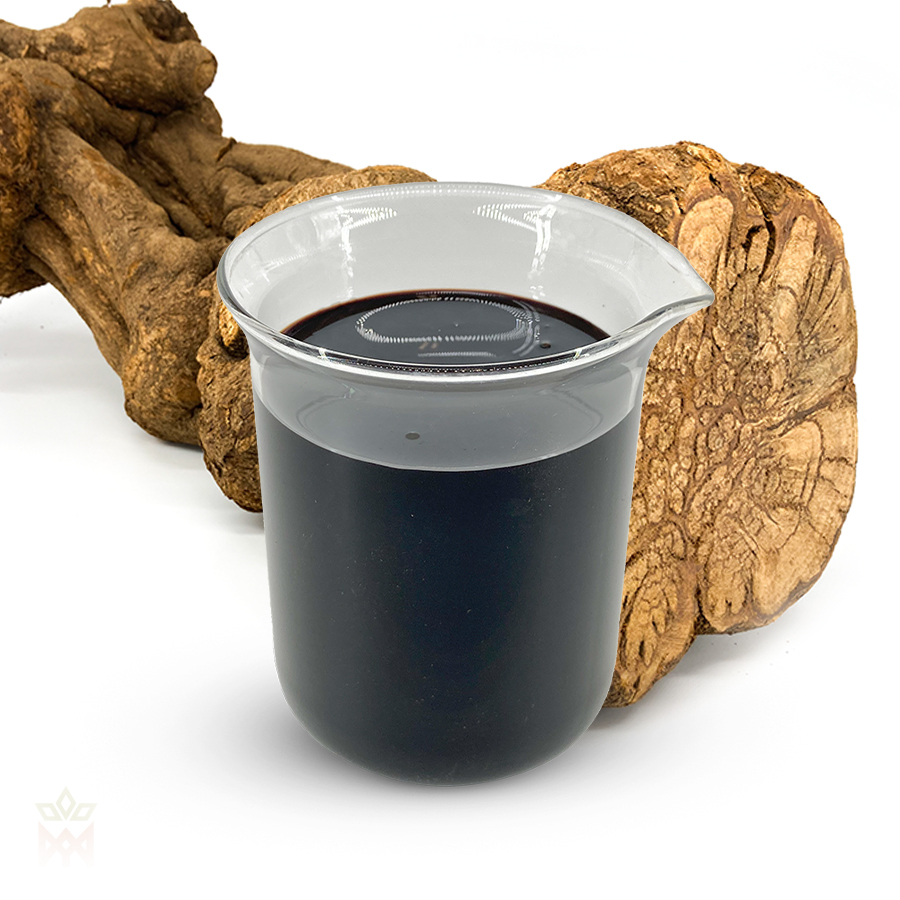

Forest-cooked Cielo caapi from Napo
This Cielo extract begins with fresh Banisteriopsis caapi vine from the Napo region of Peru. It is cooked in the forest where the material is sourced, then concentrated as a liquid preparation containing caapi alone. No other plants or additives are included.
The source plant is a woody Amazonian climber in the Malpighiaceae family. Its stems form the raw material for this extract. Cielo is the supplied vine type, while Napo identifies its Peruvian regional provenance.
What 12:1 describes
For this product, 12:1 means that twelve kilograms of fresh vine are represented in each litre of finished extract. Fresh material contains water, so this specification cannot be equated with twelve kilograms of dried vine. Nor does it mean twelve per cent alkaloids or twelve times a standard physiological effect.
Cooking and concentrating the vine in the forest connects this preparation closely with its place of origin. The finished liquid contains caapi alone; other plants commonly associated with ayahuasca preparations are not part of the formula.
The vine in regional history
The Napo is part of a wider network of Amazonian rivers along which people, plants and knowledge have travelled. In his nineteenth-century writings, Richard Spruce recorded caapi cultivation on the Napo and Pastaza systems as well as farther east. He recognised the same botanical vine under different names and described ceremonial and divinatory uses.
In those accounts, specialists consulted the plant to interpret illness, social conflict and events beyond immediate sight. The vine’s reputation as a source of knowledge grew within these relationships between practitioners, their communities and the forest. The extract carries the botanical material into a contemporary concentrated form.
Composition and quality
Caapi’s best-known alkaloids include harmine, harmaline and tetrahydroharmine. In a study of plants collected at numerous Brazilian sites, Callaway and colleagues found substantial variation in their distribution. A botanical name and extract ratio therefore cannot replace analysis of the actual material.
Maya works with local communities using responsible harvesting and replanting practices. Each batch of this extract is tested for quality, purity and consistency. The stated 12:1 specification describes fresh-vine input, rather than a standardised percentage of harmine or other alkaloids.
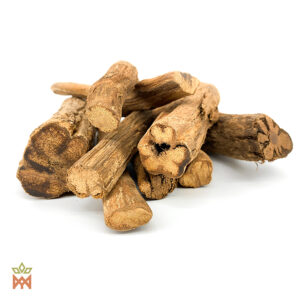
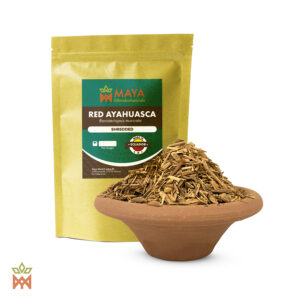
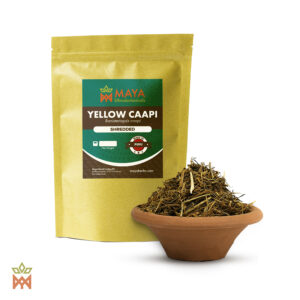
The finely shredded Napo Cielo vine offers the woody plant material from this same Peruvian region as a separate product.
Safety context: Caapi constituents can inhibit MAO-A and interact seriously with medicines. The absence of added plants does not make an extract free of pharmacological risks.
Selected references
- Richard Spruce — Notes of a Botanist on the Amazon & Andes (1908), original field accounts
- Callaway, Brito & Neves (2005) — Phytochemical analyses of Banisteriopsis caapi and Psychotria viridis
- Wang and colleagues (2010) — Composition, standardization and chemical profiling of Banisteriopsis caapi
This product is sold as a botanical specimen. Information on traditional, cultural and reported uses is provided for educational and ethnobotanical purposes only and is not a recommendation for any particular use. This product is not intended to diagnose, treat, cure or prevent any disease.
Reviews
There are no reviews yet.