



Chacruna and the people of Pucallpa
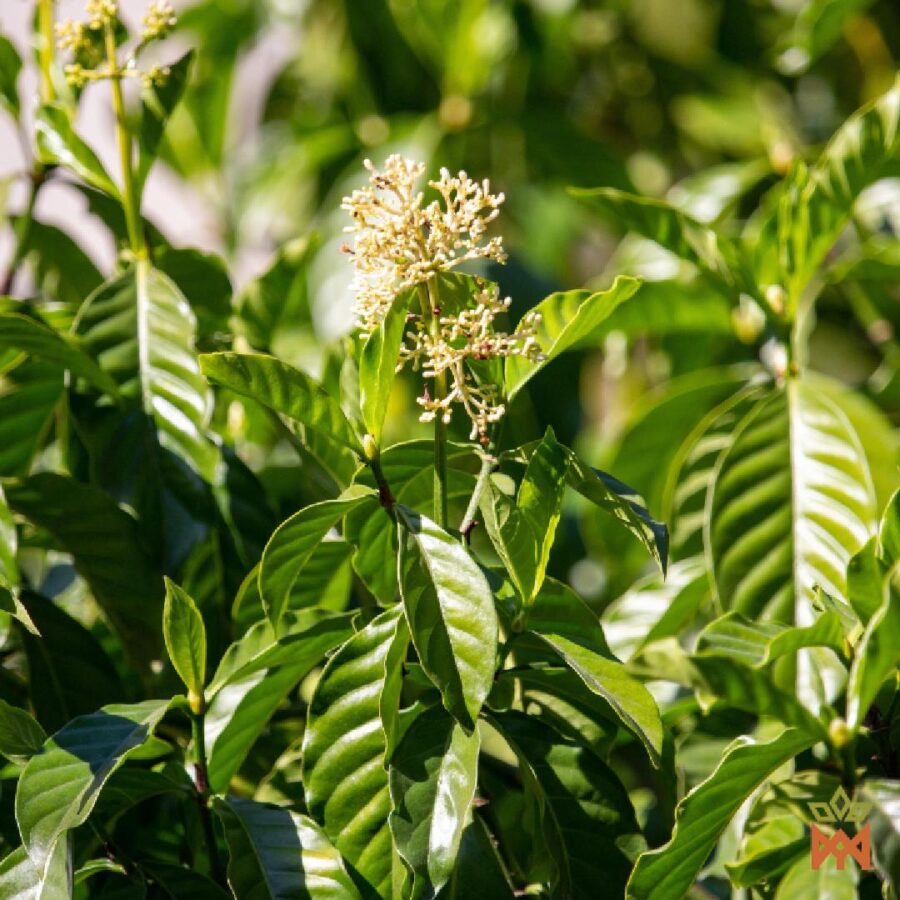
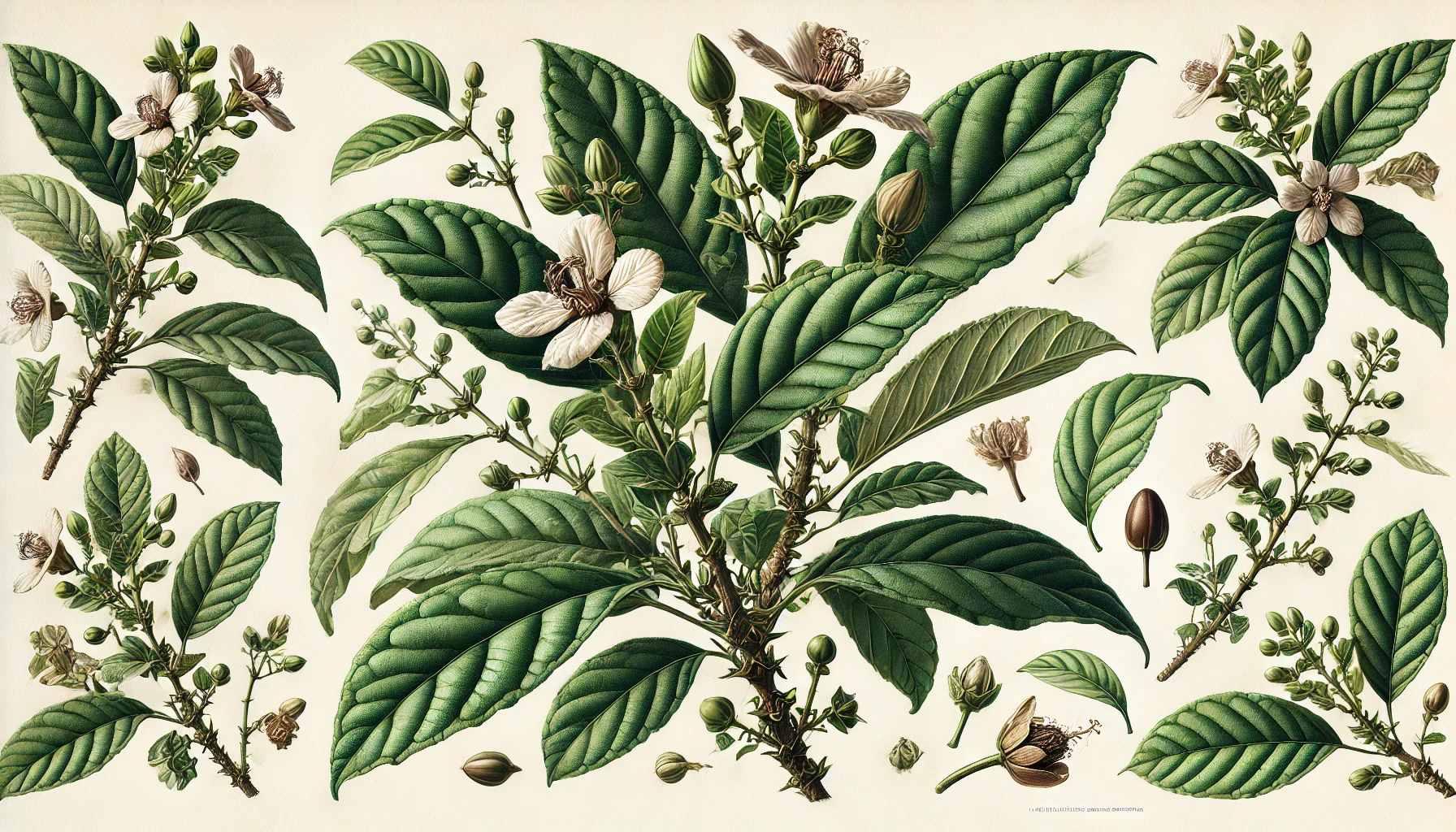
Chacruna is one of the plants closely associated with the Peruvian Amazon. Growing as a shrub or small tree, it carries smooth, oval leaves and small fruits that ripen to purple-red. Its botanical name is Psychotria viridis, and it belongs to the coffee family, Rubiaceae. Among the Shipibo, it has a place within a detailed tradition of botanical knowledge passed between generations.
Our whole dried Chacruna leaves are collected by Shipibo people in Pucallpa, Peru, and sourced directly from them. Pucallpa stands on the Ucayali River, in a region that remains an important centre of Shipibo life.
Pucallpa and the Shipibo-Konibo
The Shipibo-Konibo, also written Shipibo-Conibo, have longstanding ties to the Ucayali and its tributaries. Their history brings together three formerly distinct peoples: the Shipibo, Konibo and Shetebo. Their language belongs to the Panoan family and continues to be spoken in homes, communities and ceremonial settings.
Life along the river has supported fishing, cultivation, travel and exchange between settlements. Today, many Shipibo families also live in and around Pucallpa, including Yarinacocha, while maintaining connections with their river communities. Their botanical traditions continue within this changing landscape of city neighbourhoods, gardens and forest.
Plant knowledge is one part of a culture also known for its textiles and pottery. The intricate geometric designs called kené express aspects of Shipibo understandings of the world and appear on cloth, ceramics, wood and the body.
Chacruna in Shipibo plant knowledge
In Shipibo tradition, certain plants are regarded as teachers. Chacruna appears among them in an ethnobotanical study produced with the community of Vencedor, in Peru’s Loreto region. Recorded under the name kawa, it is described as a master plant associated with diagnosis and with addressing harm understood as witchcraft.
This understanding belongs to the wider world of rao, plants recognised for their material and spiritual powers. A practitioner known as an onanya—“one who knows”—works with plants and their spirits within that tradition.
Song and ceremony
Chacruna is documented alongside the caapi vine in Shipibo ayahuasca traditions, where song forms an important part of ceremonial work. The practitioner’s voice addresses and invokes plants, expressing relationships that are central to the ceremony.
A recorded account from Caimito, near the Ucayali River, preserves the singing of the Shipibo practitioner Nete Vita. He names a succession of plants and moves between his ordinary voice and falsetto as the song develops.
The leaves from Pucallpa
Pucallpa also has a place in the scientific study of Chacruna. Research comparing leaves collected there with samples from Iquitos and Tarapoto identified the same principal alkaloid in all three collections, with an additional trace constituent recorded in the Pucallpa sample. These findings describe individual botanical specimens rather than a fixed composition for all leaves from the region.
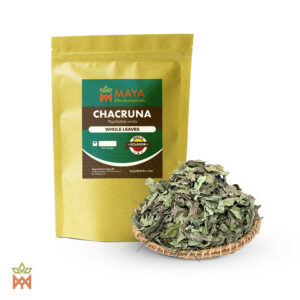
These whole dried leaves are collected by Shipibo people and sourced directly from them. They belong to Maya’s organically grown, sustainably collected and fairly traded Chacruna range. Keep them well sealed, dry and protected from direct sunlight.
Selected references
- Tudela-Talavera, La Torre-Cuadros and the community of Vencedor (2016) — Chacruna as a master plant.
- Tournon and colleagues (2014) — Ethnobotany of the Shipibo-Konibo.
- Tournon (1991) — the ceremonial singing of Nete Vita.
- McKenna, Towers and Abbott (1984) — chemical study including Chacruna collected in Pucallpa.
This product is sold as a botanical specimen. Information on traditional, cultural and reported uses is provided for educational and ethnobotanical purposes only and is not a recommendation for any particular use. This product is not intended to diagnose, treat, cure or prevent any disease.

Reviews
There are no reviews yet.