



Uqhume and southern African divination
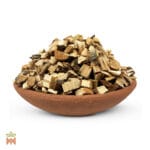
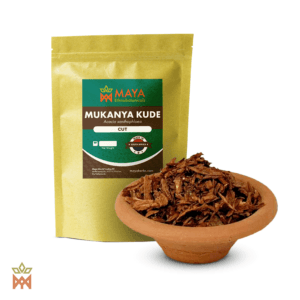
Uqume is supplied as cut root from South Africa. Its name is also recorded as Uqhume in isiZulu, associated with the tree Hippobromus pauciflorus, or false horsewood. The older botanical name Rhus pauciflora explains the Rhus reference still encountered in trade.
Roots, trance and ancestral dreams
Sobiecki’s ethnobotanical inventory records Uqhume roots in Zulu divinatory practice in connection with trance. The same species also appears in accounts of ancestral dreaming and in plant combinations used during the initiation of diviners. Some of those records concern bark, including mixtures with Silene undulata and Rubia petiolaris.
This gives Uqhume a specific place in the regional record: a woody plant whose roots and bark occur in different divinatory preparations. The material offered here is root. The reported experiences belong to those traditional practices and mixtures, rather than establishing a predictable dream effect for the cut root alone.
The false horsewood tree
Hippobromus pauciflorus is a southern African shrub or small tree in Sapindaceae, the soapberry family. It has compound leaves and small fruits, and is known as false horsewood in English. Its botanical identity connects the local Uqhume name with a recognisable species and a traceable herbal record.
Research and care
The relevant evidence for trance and dreaming is ethnobotanical. It does not provide a demonstrated mechanism or an established safe home preparation. The South African National Biodiversity Institute identifies the plant as poisonous and specifically cautions about extracts of its roots and leaves. This material should not be treated as a tea or culinary herb. Keep clearly labelled, separate from food and out of children’s reach.
Explore our Dream Herbs collection for related botanicals and their individual traditions.
Selected references
- Sobiecki (2008) — Uqhume root, bark and divinatory traditions
- South African National Biodiversity Institute — False horsewood, local names and toxicity
- Royal Botanic Gardens, Kew — Hippobromus pauciflorus and the synonym Rhus pauciflora
This product is sold as a botanical specimen. Information on traditional, cultural and reported uses is provided for educational and ethnobotanical purposes only and is not a recommendation for any particular use. This product is not intended to diagnose, treat, cure or prevent any disease.

Reviews
There are no reviews yet.