

The Lotus of Purity and Renewal
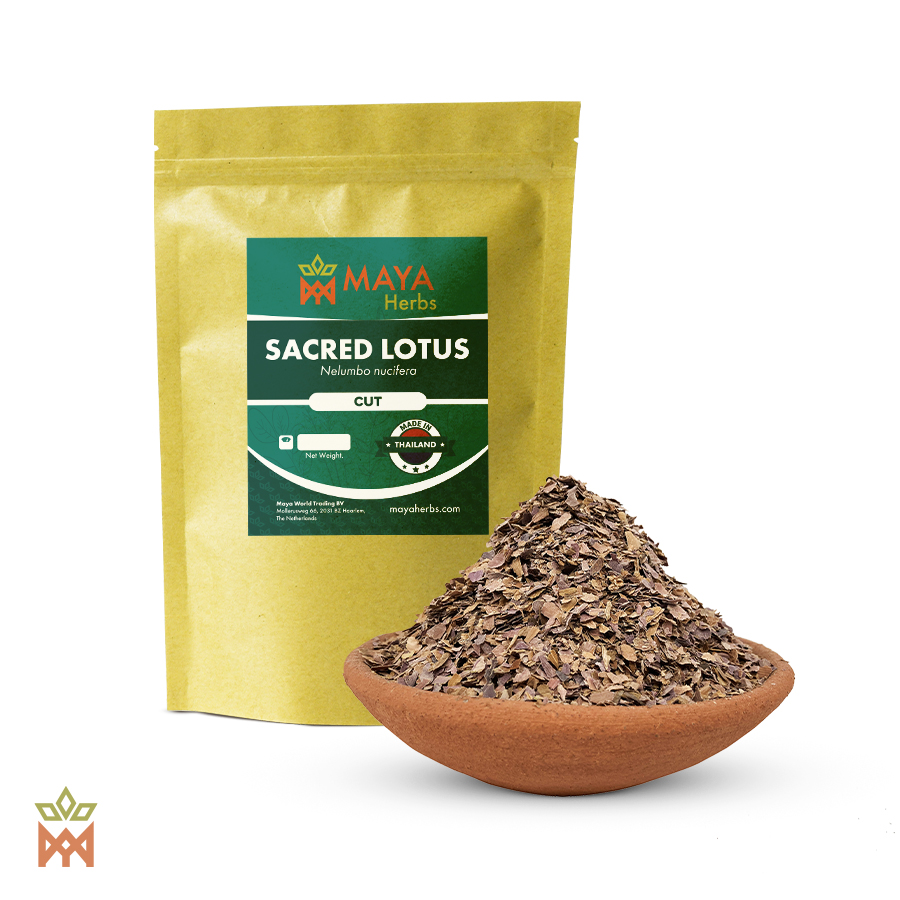
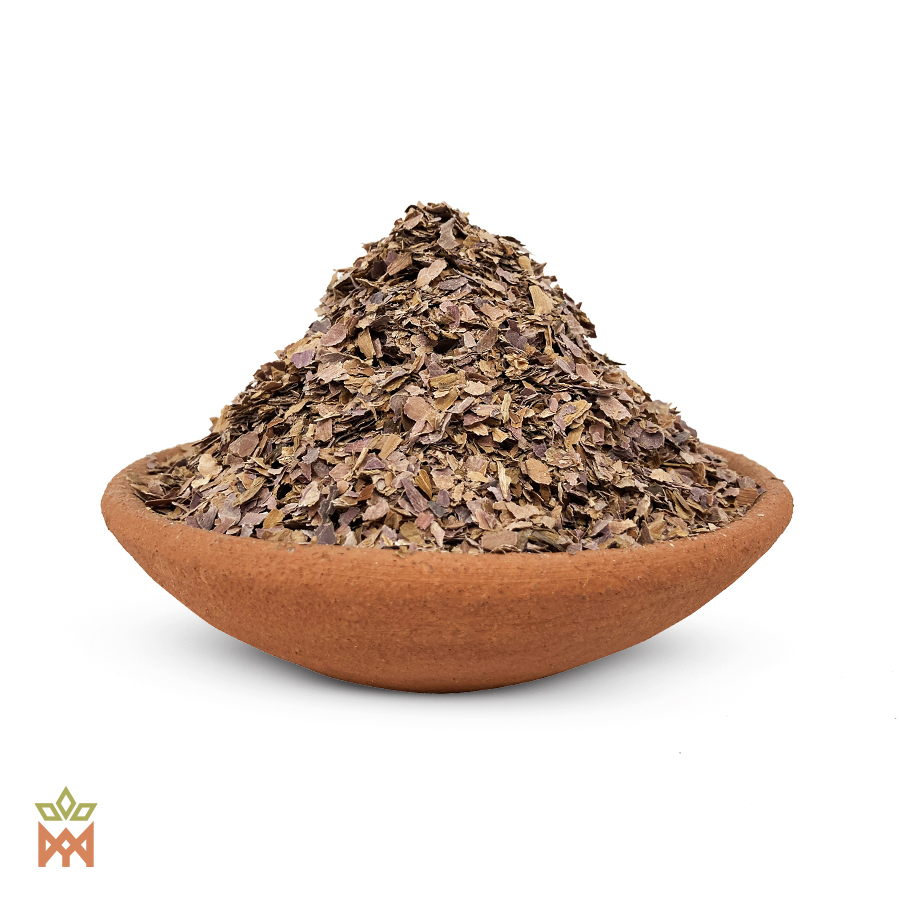
Sacred Lotus rises from pond mud and holds its flowers above the water. Its emergence from muddy water has made Nelumbo nucifera a lasting image of purity in Hindu and Buddhist traditions. These flowers come from Thailand and are supplied finely cut.
A True Lotus
Nelumbo nucifera belongs to the family Nelumbonaceae. Its large, rounded leaves stand on long stalks, and the flower has a distinctive central receptacle that develops into the familiar seed head. It is botanically separate from the Nymphaea water lilies commonly sold as blue, red or white lotus.
The living leaves shed water in droplets that carry away dirt. This self-cleaning surface inspired the scientific term “lotus effect,” a physical property of the plant that sits naturally alongside its symbolism of purity.
The Flower in Asian Traditions
The Royal Botanic Gardens, Kew describes Sacred Lotus as an important religious plant for Hindus and Buddhists, associated with beauty, purity and divinity. Its flowers have long been cultivated for their symbolic and ornamental value, as well as for other uses of the plant.
The flower’s religious and cultural associations remain part of its appeal in contemporary meditative practice. The separately offered Egyptian Blue Lotus belongs to another botanical and cultural tradition.
Traditional Use and Reported Character
Sacred Lotus also has a calming reputation in Asian herbal traditions. The IMPPAT medicinal-plant database specifically records the flower among plant parts used traditionally as sedatives. Alongside its devotional symbolism, this history helps explain the flower’s place in meditation and evening plant practice.
These are records of traditional use and cultural meaning. The finely cut flowers are not a standardised sleep preparation, and this history does not establish a lucid-dreaming effect.
Research on the Flower’s Constituents
A 2013 study analysed anthocyanins, flavones and flavonols in the petals of 108 lotus cultivars. The researchers found substantial differences linked to flower colour: red and pink cultivars contained anthocyanins, while white, yellow and mixed-colour cultivars generally contained very little. The work shows how floral chemistry varies within this one species.
Flower-specific nervous-system research goes further. Kumarihamy and colleagues (2015) extracted white and pink lotus flowers and identified alkaloids including nuciferine and coclaurine. Selected compounds showed activity at nervous-system receptors, while separated extract fractions produced behavioural changes in mice.
The experiments used concentrated, separated preparations, including injected fractions. They establish a research interest in the flower’s neuroactive chemistry, rather than the effects of ordinary cut flowers or an infusion in people.
Keep the cut flowers sealed, cool and dry, protected from moisture and sunlight. The wider lotus and water-lily collection brings the different botanical identities together.
Selected References
- Royal Botanic Gardens, Kew — Nelumbo nucifera botany, religious significance and the lotus effect.
- Systematic qualitative and quantitative assessment of anthocyanins, flavones and flavonols in the petals of 108 lotus cultivars (2013).
- IMPPAT, Institute of Mathematical Sciences — recorded traditional sedative uses, including Sacred Lotus flower.
- Kumarihamy et al. (2015) — receptor-binding and mouse behavioural studies of Sacred Lotus flower extracts.
Reviews
There are no reviews yet.