



Kanna in South African tradition
Kanna has a long history in the social life and plant traditions of southern Africa. Khoikhoi and San communities gathered, prepared and traded this small succulent, whose reputation travelled beyond the dry Cape landscapes where it grows naturally.
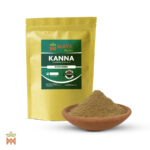
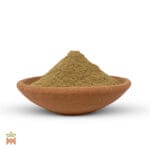
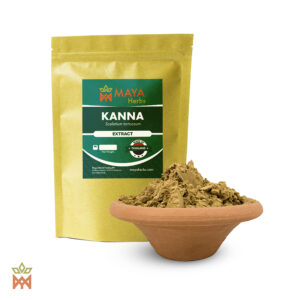
Our sustainably sourced kanna comes from Thailand and is supplied as finely powdered herb.
Kougoed and traditional experience
The Afrikaans name kougoed means “something to chew”. It recalls the traditional preparation of crushed plant material that was allowed to ferment before drying. Early Cape records describe kanna as an esteemed trading plant; an illustration appears in the journal of the 1685 expedition to Namaqualand.
Ethnobotanical accounts describe its use as a social intoxicant, with sociability and euphoria among the reported experiences. Other accounts describe calming preparations. These different uses form part of kanna’s cultural history, rather than a single, uniform experience.
The succulent behind the name
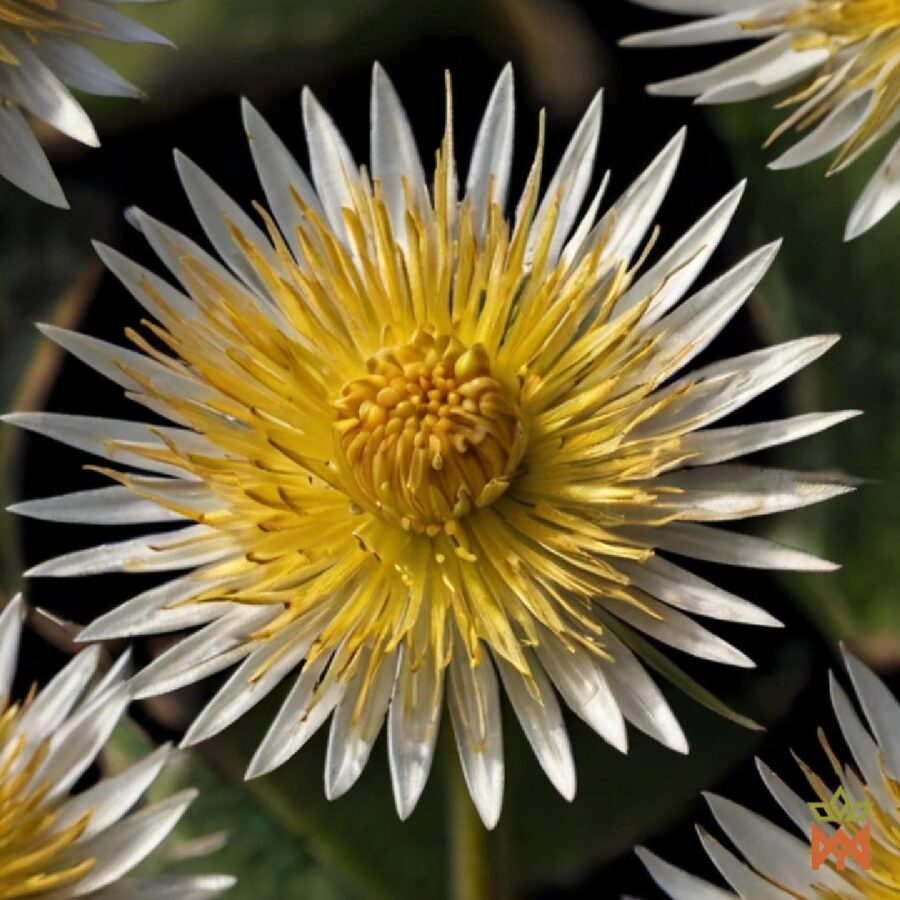
Sceletium tortuosum belongs to the ice-plant family, Aizoaceae. Its fleshy leaves store water, while the veins of older leaves remain as a delicate framework around younger growth. This skeleton-like structure gave the genus Sceletium its name. The same species is also known botanically as Mesembryanthemum tortuosum.
Mesembrine and modern research
Kanna’s chemistry includes mesembrine, mesembrenone and mesembrenol, a group of related alkaloids that has attracted considerable scientific interest. In laboratory tests, a standardised extract inhibited the serotonin transporter, which takes serotonin back into nerve cells after signalling. Mesembrine was particularly active at this target. The extract and mesembrenone also inhibited phosphodiesterase-4, an enzyme involved in cellular signalling.
This work offers a possible biological explanation for aspects of kanna’s reported character. It concerns specific extracts and compounds, and does not establish a therapeutic effect for this herb.
Explore our Kanna collection for more about the plant and its other preparations.
Precautions: Avoid combining kanna with antidepressants or other medicines that affect serotonin without medical advice. Seek professional advice during pregnancy or breastfeeding.
Selected references
- South African National Biodiversity Institute — Sceletium tortuosum: botany and traditional names
- Smith et al. (1996) — Historical uses and preparation of kougoed
- Harvey et al. (2011) — Laboratory research on kanna extract and its alkaloids
- Brendler et al. (2021) — Botanical identity, research and precautions
This product is sold as a botanical specimen. Information on traditional, cultural and reported uses is provided for educational and ethnobotanical purposes only and is not a recommendation for any particular use. This product is not intended to diagnose, treat, cure or prevent any disease.

Reviews
There are no reviews yet.