


Pau d’Arco in Brazilian plant knowledge
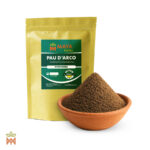
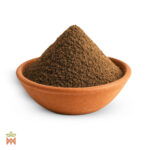
In Brazil, the name Ipê-roxo evokes a tree covered in pink to purple trumpet-shaped flowers. In herbal markets, it is the bark that draws attention. Pau d’Arco, also known as lapacho, connects those two familiar faces of Handroanthus impetiginosus: a flowering tree and a material with a long history in local plant preparations. Maya supplies its bark in powdered form from Brazil.
Regional knowledge and bark preparations
Brazilian ethnobotanical research places Pau d’Arco within living community traditions. A field study in Barra II, a quilombola community in Bahia, recorded the bark of H. impetiginosus among locally used medicinal plants. Quilombola communities have histories linked to resistance to slavery; their plant knowledge reflects relationships with particular places, families and ways of caring for one another.
The Barra II account records bark maceration and tea among its customary preparations. More broadly, Brazilian sources describe Ipê-roxo bark in infusions, decoctions and tinctures. This is the background to the familiar expression “Pau d’Arco tea”: a preparation of tree bark within regional herbal practice. Each community’s account deserves to be understood in its own setting.
The compounds behind the research
Lapachol and beta-lapachone are among the quinone compounds investigated in this species. Other bark constituents include iridoids and phenolic compounds, so the material is chemically more varied than either of those frequently cited names suggests. Published work usually concerns particular extracts or separated molecules.
For example, a 2021 laboratory study tested bark extracts on immune cells obtained from healthy human donors. The extracts produced different patterns of cytokine release; cytokines are proteins through which immune cells communicate. This difference between preparations matters: extracting the same bark with water or another solvent does not produce an identical mixture. These findings do not establish a therapeutic effect for ordinary bark powder.
Ipê-roxo in Maya’s collection
The botanical name Tabebuia impetiginosa, still common in research and herbal literature, refers to the same species as Handroanthus impetiginosus. Our Brazilian powder and shredded Pau d’Arco bark from Peru offer that species in two forms and from two origins. This powder is bark, without a declared extract ratio or standardised lapachol content.
Selected references
This product is sold as a botanical specimen. Information on traditional, cultural and reported uses is provided for educational and ethnobotanical purposes only and is not a recommendation for any particular use. This product is not intended to diagnose, treat, cure or prevent any disease.
Reviews
There are no reviews yet.