
Samauma, the mother of the forest
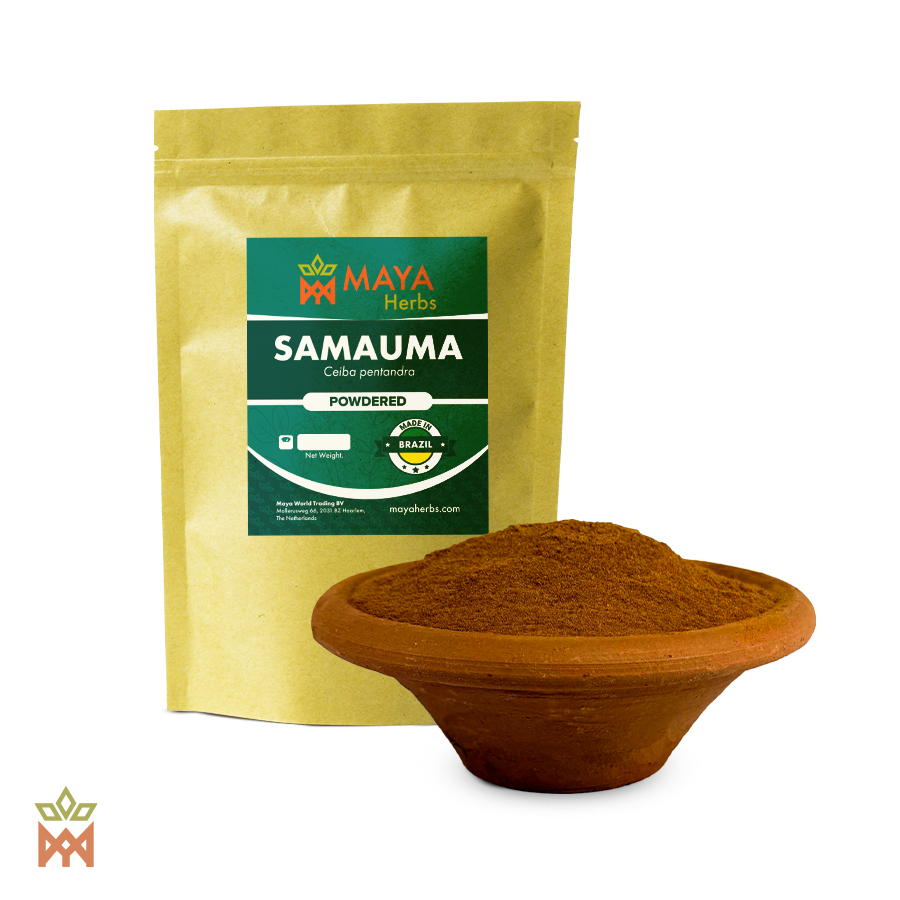
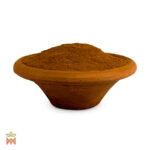
A mature samaúma can rise above the surrounding canopy, its enormous buttress roots spreading out from the trunk like walls. In Amazonian traditions, such a tree may be understood as a presence with its own inhabitants, powers and relationships. Known in Brazil as samaúma or sumaúma, Ceiba pentandra is often called the mother of the forest. Our finely powdered bark comes from Brazil, ethically collected through local gatherers and supplied without synthetic additives.
A tree of spirits and initiation
The spiritual importance of Ceiba takes different forms across Amazonia. Among the Wayãpi of French Guiana, ethnobotanical accounts describe it as a ladder through which shamans approach their spirit allies. Kali’na traditions associate kumaka, the Ceiba tree, with powerful beings and a particular path of shamanic initiation. These accounts express respect for an influential forest presence, whose power is not always understood as gentle or benevolent.
The bark itself also appears in documented practice. A scholarly review records Palikur bark baths in shamanic initiation in the border region of Brazil and French Guiana. Such accounts belong to particular communities and forms of knowledge; they explain why the tree commands attention without promising that a commercial bark powder reproduces those experiences.
Elsewhere, the same species carries another famous association. In Maya cosmology, the ceiba is represented as a world tree connecting different levels of existence. Its image appears in ceremonial objects, including vessels whose projecting spikes echo the prickles of a young tree. This Mesoamerican history is distinct from the Amazonian traditions surrounding the bark offered here.
The giant tree and its different materials
Ceiba pentandra belongs to the mallow family, Malvaceae, and can reach around 70 metres in the wild. Its flowers provide nectar for bats, while the seed capsules contain the light, water-repellent fibre known as kapok. That fibre was once widely used in cushions and life jackets.
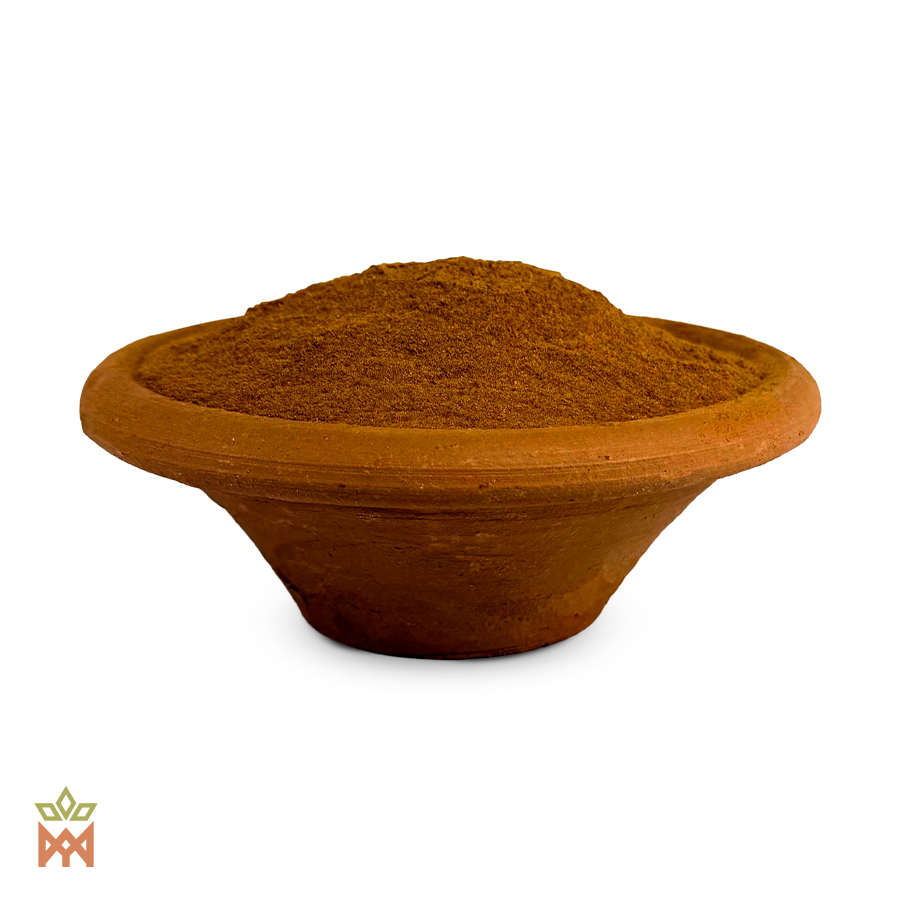
The product here is the bark. It is milled into a powder and retains its organic plant material. Our separately listed Samauma ashes are a different preparation, produced by burning plant material. Bark powder and ash have different compositions and should not be treated as interchangeable.
What bark research can tell us
Laboratory studies of Ceiba pentandra trunk-bark extracts have examined phenolic compounds, flavonoids and reactions involving oxidative processes and carbohydrate-digesting enzymes. These experiments concern prepared extracts in laboratory systems. They do not establish benefits in people from ordinary bark powder.
Our bark is sustainably harvested. Keep it dry and well sealed. Its place in the collection rests on a remarkable relationship between a living forest giant and the many communities that have learned to regard it with respect.
Selected references
- Tareau et al. (2022) — Ceiba and related species as spiritual keystone species
- Museu Paraense Emílio Goeldi — Samauma and Indigenous forest knowledge
- Lowe Art Museum — Maya ceremonial vessel and the ceiba world tree
- Singapore National Parks Board — Ceiba pentandra botany and kapok
- Laboratory study (2020) — Ceiba pentandra trunk-bark extracts
This product is sold as a botanical specimen. Information on traditional, cultural and reported uses is provided for educational and ethnobotanical purposes only and is not a recommendation for any particular use. This product is not intended to diagnose, treat, cure or prevent any disease.
Reviews
There are no reviews yet.