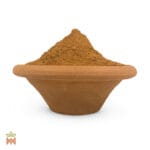

The bark and constituents of Brazilian Catuaba
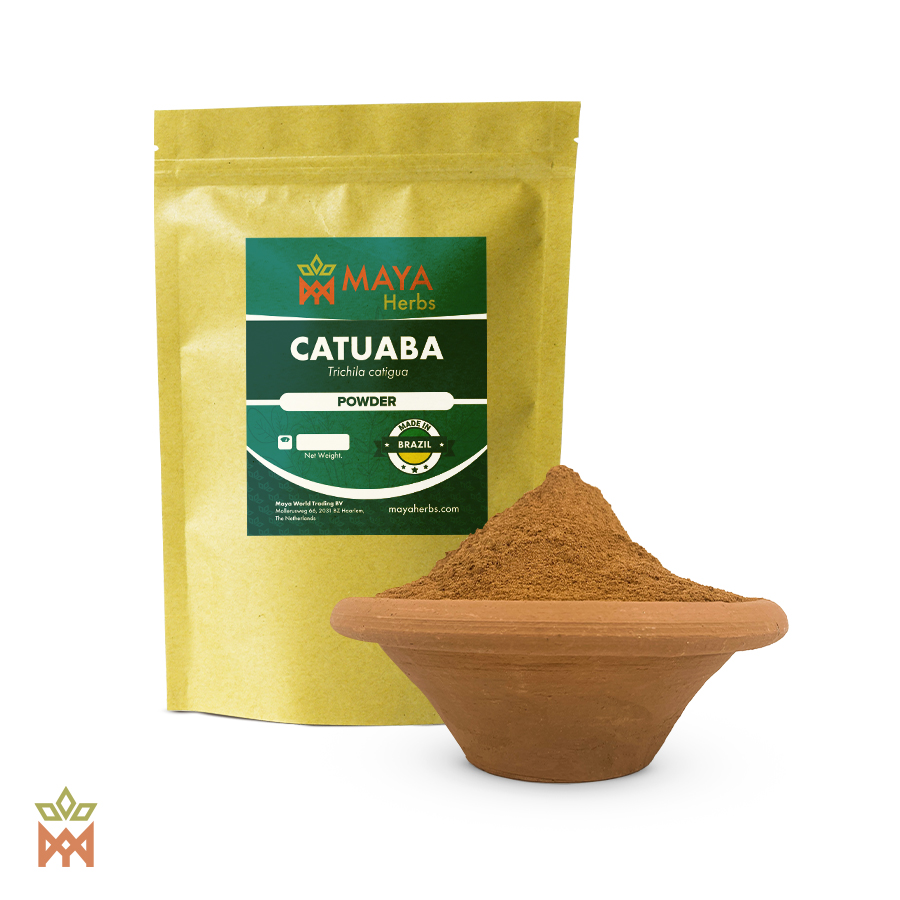
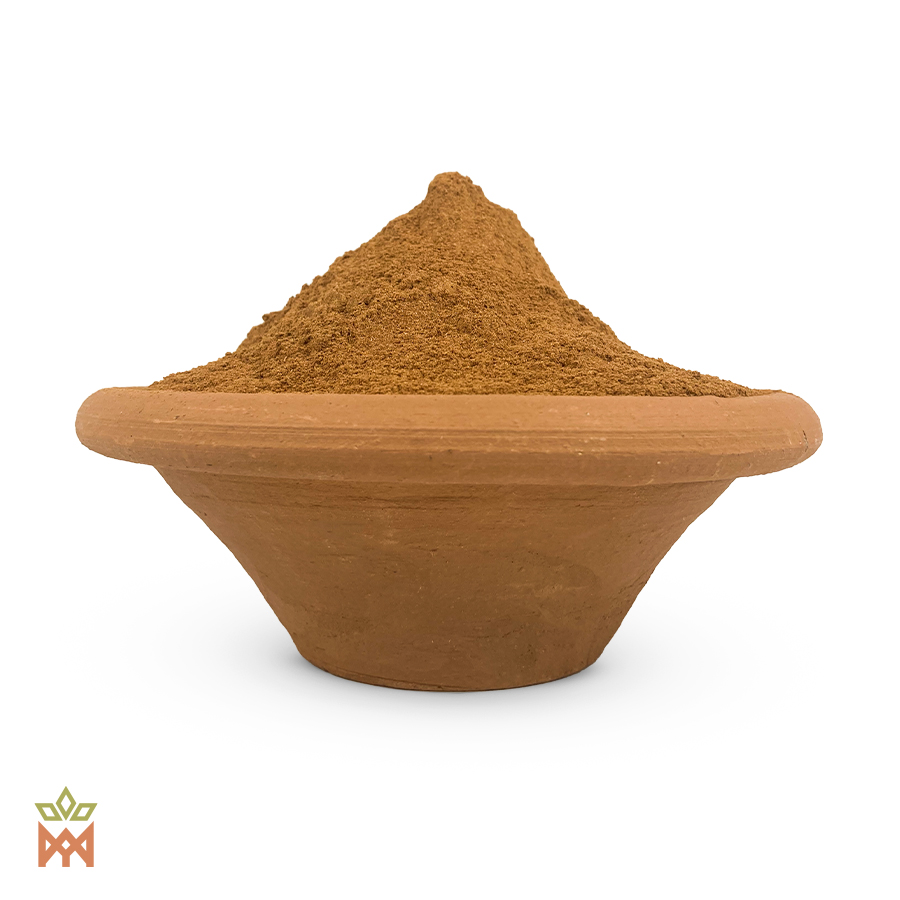
Brazilian Catuaba powder begins with the bark of Trichilia catigua, a forest tree also known as catiguá. Catuaba is known in Brazilian herbal tradition as an aphrodisiac and tonic, while modern research has revealed a distinctive mixture of polyphenols in this species. Our powder is made from Brazilian bark of this species.
Trichilia catigua is a member of the Meliaceae family. Brazil’s national flora assessment records it in several vegetation regions, including the Atlantic Forest, Cerrado and parts of Amazonia. The tree also occurs beyond Brazil, so its botanical range is wider than the origin of the material offered here.
Bark in Brazilian herbal practice
One recorded preparation of Catuaba is the garrafada, a bottled preparation in which bark is steeped in an alcoholic liquid. Such preparations belong to a Brazilian tradition of tonics sought for renewed vitality and sexual vigour. Catuaba’s aphrodisiac reputation concerns desire and sexual energy, while its tonic use also reflects the wish to recover strength when tired or run down.
Because several plants share the common name Catuaba, their chemistry is easily confused. The catuabine alkaloids often mentioned in general accounts were investigated in Erythroxylum vacciniifolium, a different species from the Trichilia catigua supplied here. The history of these names is explored with our shredded Catuaba bark.
Polyphenols and the science of the bark
In a 2011 investigation, researchers isolated nine compounds from an extract of dried Trichilia catigua stem bark. These included epicatechin, several procyanidins and cinchonains, together with a newly described compound called apocynin E. Spectroscopic methods helped establish their structures, giving individual names and identities to constituents often grouped loosely as tannins or flavonoids.
The isolated compounds were also tested for their ability to react with free radicals and reduce iron in chemical assays. Those results explain part of the scientific interest in the bark’s polyphenols. They concern isolated substances under laboratory conditions and cannot be read as evidence that this powder prevents disease or produces the same responses in the body.
The dry Catuaba extract has a separate preparation history and research context. Here, the product remains the bark itself in powdered form, rooted in Brazil’s herbal record and identified by the species whose constituents have been studied.
Selected references
- Rio de Janeiro Botanical Garden, national flora assessment — Trichilia catigua distribution and habitats.
- Longhini and colleagues (2017) — Catuaba names, botanical identity and traditional background.
- Zanolari and colleagues (2003) — tropane alkaloid research on Erythroxylum vacciniifolium, a different Catuaba species.
- Resende and colleagues (2011) — compounds isolated from Trichilia catigua bark, including apocynin E.
- Martins and colleagues (2018) — recorded garrafada context and studies of Trichilia catigua extracts.
This product is sold as a botanical specimen. Information on traditional, cultural and reported uses is provided for educational and ethnobotanical purposes only and is not a recommendation for any particular use. This product is not intended to diagnose, treat, cure or prevent any disease.
Reviews
There are no reviews yet.