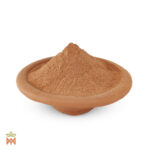

Clavo huasca powder for warmth, vitality and connection
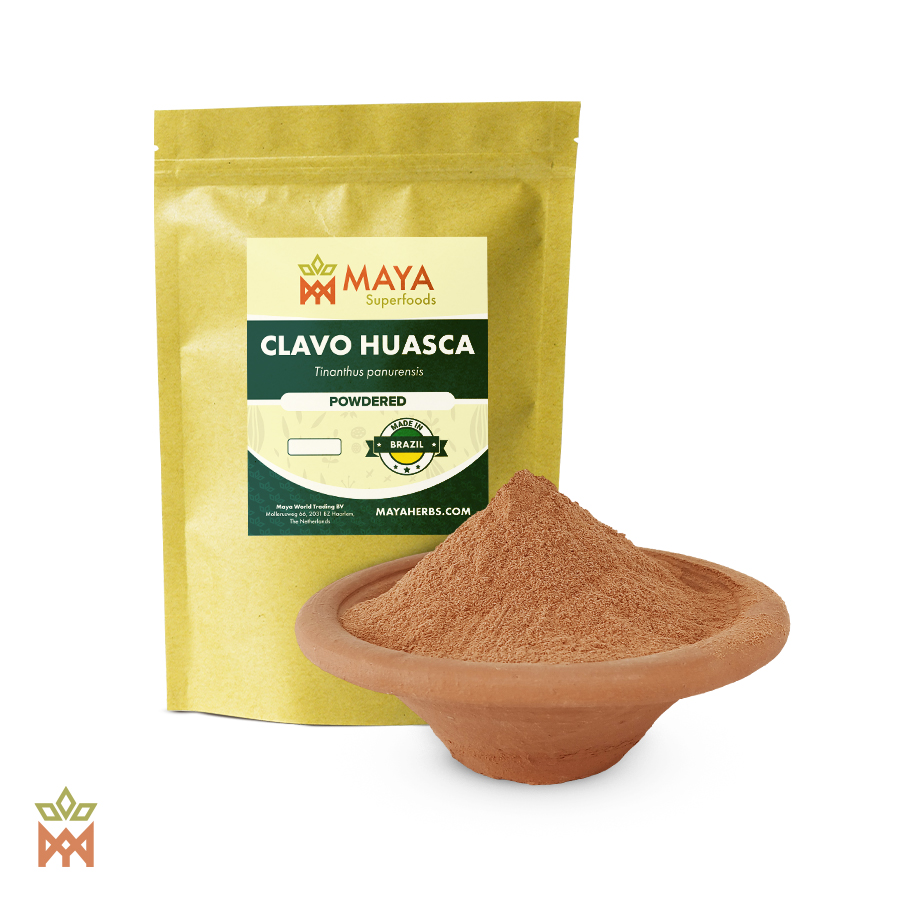
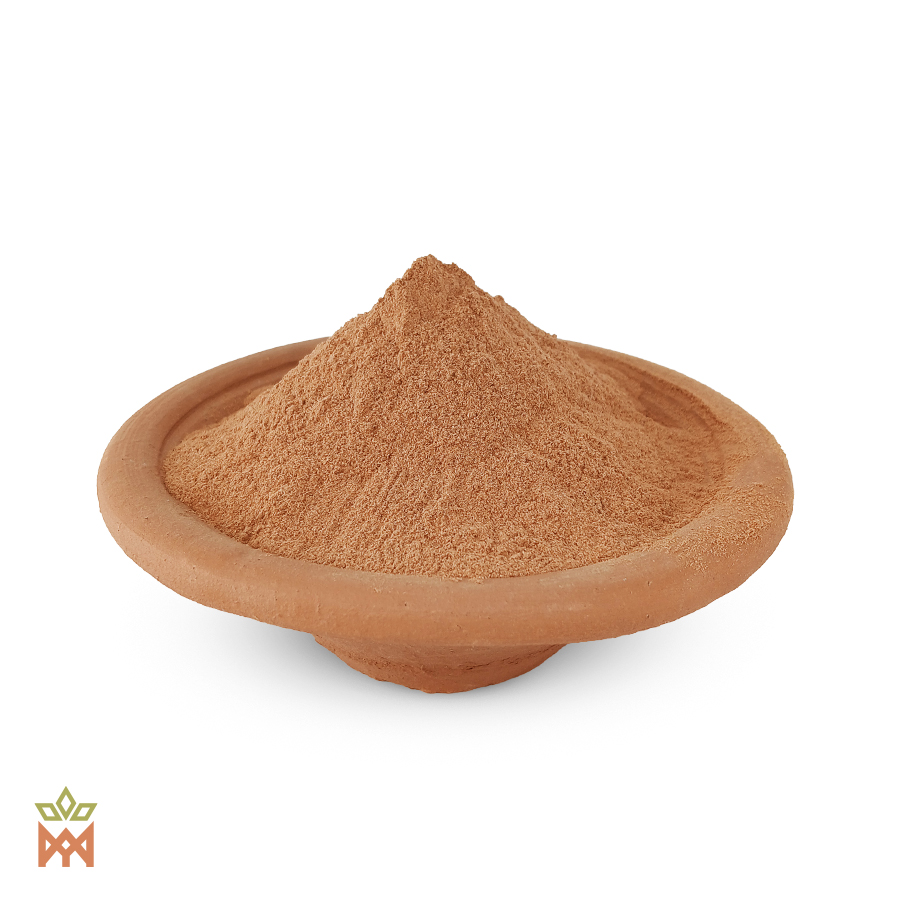
Clavo huasca, Tynanthus panurensis, is an aromatic Amazonian vine known for its warm clove-like scent. This powdered herb from Brazil is valued in traditional plant knowledge for vitality, sensual warmth and grounded energy. At Maya Herbs, the Maya Team appreciates clavohuasca for its strong forest aroma and its long place in Amazonian herbal traditions.
Many people look for clavo huasca benefits connected with energy, body warmth and intimacy. In traditional use, the vine is often described as an aphrodisiac and a strengthening tonic. We frame this with care: it is a plant traditionally valued for supporting normal wellbeing, not a medical treatment.
The powder form is easy to measure and prepare. If you prefer a coarser cut for infusions, you may also like our Clavo Huasca Tea. For those who enjoy working with whole botanicals, we also offer whole Clavo Huasca vine.
Amazonian tradition around clavohuasca and Tynanthus panurensis
Clavohuasca has roots in Amazonian ethnobotany, especially in Peru, Ecuador, Colombia and Brazil. In traditional contexts, the vine has been used in preparations for vitality, sensual connection and strength. A recent phytochemical and ethnobotanical paper notes that in Peru, Tynanthus panurensis is traditionally associated with aphrodisiac and energising uses.
Ethnobotanical literature also places Tynanthus panurensis within the wider Bignoniaceae family and records traditional uses across parts of Latin America. These sources remind us that plant knowledge belongs to living cultures and communities. Maya Herbs shares this information with respect, without presenting it as our own discovery.
In ceremonial and rural plant traditions, clavo huasca is often connected with warmth, courage and the heart. We avoid romanticising this heritage. For us, offering plants like this means careful handling, honest education and respect for the people who have kept these traditions alive.
How to prepare clavo huasca tea from powder
Clavo huasca powder can be prepared as a simple tea or decoction. Because this is a woody vine powder, a longer simmer is often preferred to a quick infusion.
- Add a small amount of clavo huasca powder to water.
- Simmer gently for 10 to 20 minutes.
- Strain well before drinking.
- Enjoy slowly, noticing the warm, spicy aroma.
The taste is woody, spicy and slightly resinous, with a natural clove-like character. Some customers combine it with other warming herbs, but we suggest starting simply so you can understand the plant on its own.
People choose to buy clavo huasca powder from Maya Herbs when they want a practical form for tea blends, macerations or personal herbal study. If you are exploring plants by effect, our aphrodisiac botanicals collection offers related traditional herbs.
Keeping your powdered vine fresh
Store clavo huasca powder in a cool, dry and dark place. Keep the bag or jar tightly closed after each use. This helps protect the aroma and keeps moisture away from the powder.
As with many aromatic botanicals, scent is part of the experience. Use a clean, dry spoon and avoid leaving the powder open near steam or strong kitchen smells.
Brazilian botanicals and ethical sourcing at Maya Herbs
This clavohuasca powder comes from Brazil, a country with deep botanical diversity and many living plant traditions. You can explore more plants connected to Brazil in the Maya Herbs catalogue.
We are proud to have Tynanthus panurensis in our range because it represents the kind of plant we care about: culturally significant, aromatic, traditional and best approached with respect. Our catalogue brings together herbs, vines, powders and ceremonial plants for people who value traditional knowledge and mindful use.
If you want a fine, easy-to-work-with format, this powder is a practical choice. It sits within our wider well-being botanicals selection.
Further reading on clavo huasca and Amazonian plant knowledge
- Use of medicinal plants according to the ancestral knowledge of the indigenous peoples of the Yacuambi Canton, Zamora Chinchipe-Ecuador — by RJ Herrera-Feijoo, L Morocho, D Vinueza…, 2023
Research from an ethnobotanical perspective to document knowledge about natural resource-based plant use.
researchgate.net - Duke’s handbook of medicinal plants of Latin America — by JA Duke, 2008
Tropical Latin America is home to a vast diversity of plant species, forming an important context for medicinal plant documentation.
api.taylorfrancis.com - A synopsis of Bignoniaceae ethnobotany and economic botany — by AH Gentry, 1992
The paper discusses ethnobotanical and economic uses of Bignoniaceae, including references to Tynanthus panurensis.
jstor.org - Contribución de la flora medicinal a la salud comunitaria: percepciones y conocimiento en comunidades nativas — by CWB Campos, FRS Altamirano…, 2025
The study analyses the contribution of medicinal flora to community wellbeing through the perceptions and practices of Awajún native communities.
blacpma.ms-editions.cl - Uso de plantas medicinales según el conocimiento ancestral de los pueblos indígenas del Cantón Yacuambi, Zamora Chinchipe-Ecuador — by RJ Herrera-Feijoo, L Morocho, D Vinueza…, 2023
Research from an ethnobotanical perspective to document ancestral knowledge about plant use in Yacuambi, Zamora Chinchipe, Ecuador.
greenworldjournal.com - Phytochemical profile and physicochemical characterization of the endemic vine Tynanthus croatianus (Bignoniaceae) in Costa Rica — by G Madrigal-Redondo, JS Flores…, 2026
The article notes that in Peru, Tynanthus panurensis, known as clavo huasca, is traditionally used for aphrodisiac, energising and analgesic properties.
dialnet.unirioja.es - “Plantas con madre”: Plants that teach and guide in the shamanic initiation process in the East-Central Peruvian Amazon — by X Jauregui, ZM Clavo, EM Jovel…, 2011
The study discusses a group of plants used by diverse healers in apprenticeship and traditional plant knowledge in the East-Central Peruvian Amazon.
sciencedirect.com
This product is sold as a botanical specimen. Information provided here is for educational and ethnobotanical purposes only. It is not intended to diagnose any ailment, or to treat, cure, or prevent any disease. Please check your local regulations before ordering botanical products.

Reviews
There are no reviews yet.