


The resinous fragrance of Romanian pine
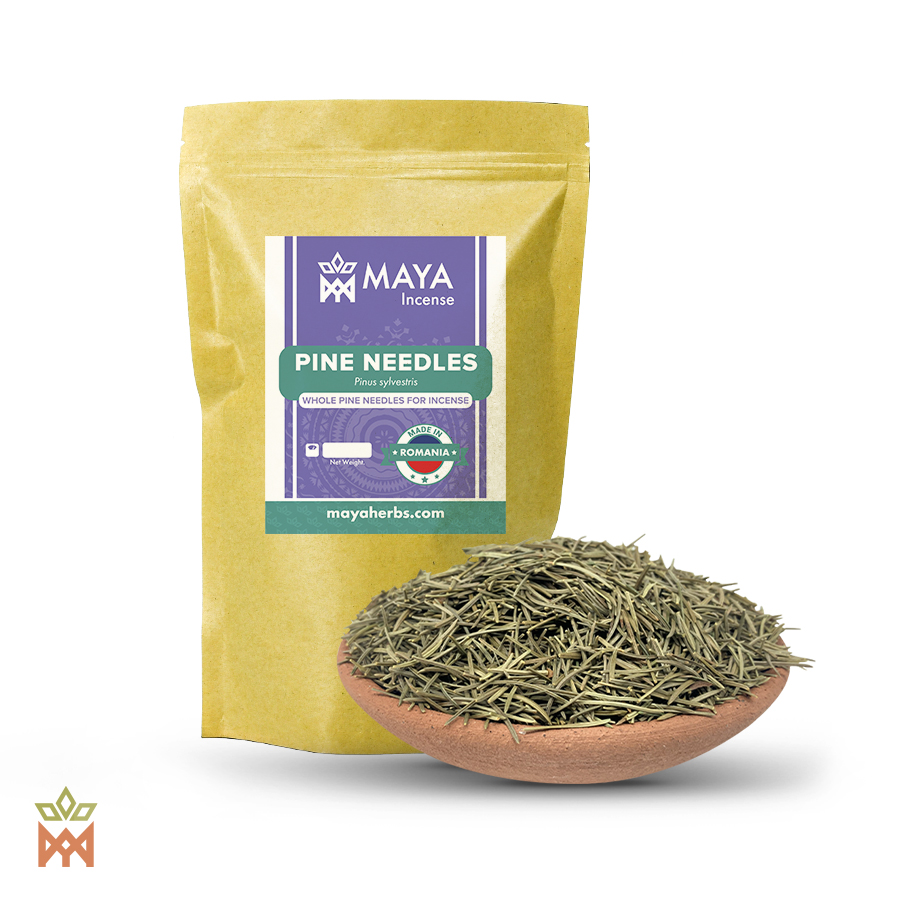
The scent of pine needles has the freshness of a conifer forest, with a resinous edge beneath the green aroma. Our whole needles come from Pinus sylvestris, the Scots pine, and are sourced from the forests of Romania. They are hand-picked, sustainably collected and carefully dried, preserving the aromatic foliage as a loose botanical incense.
Despite its common name, Scots pine grows naturally across a broad area of Europe and Asia. Romania is part of the wider European landscape of this adaptable tree. On a mature pine, the orange-red upper bark contrasts with the darker, deeply fissured trunk below; its slender, blue-green needles grow in pairs.
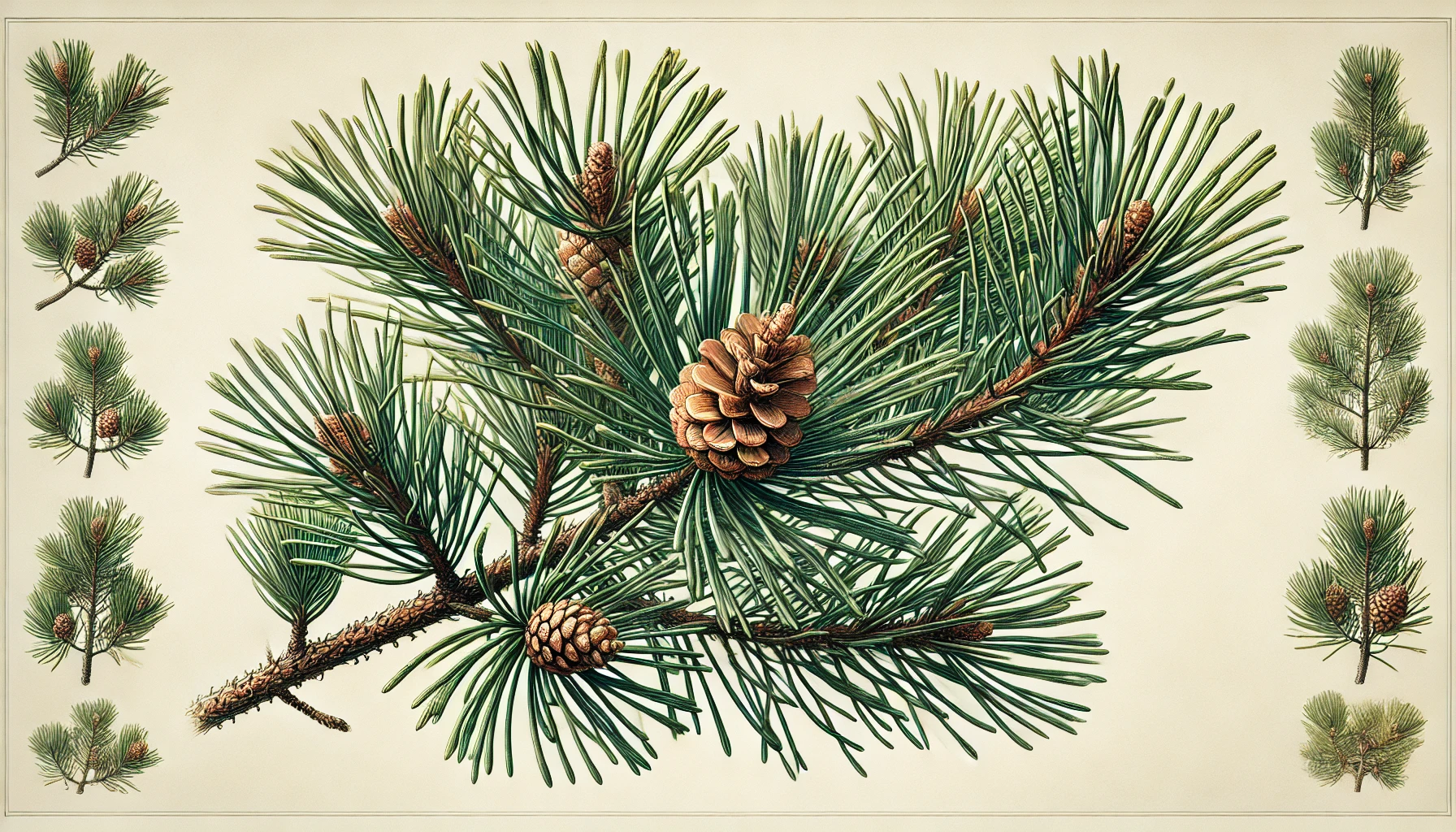
Scots pine also belongs to Romania’s winter traditions. Fieldwork among Hungarian-speaking communities in Transylvania records its use as a Christmas tree, including in Merești. Here the evergreen tree takes its place in the seasonal life of the home, connecting the surrounding forest with the Christian winter celebration.
The fragrance held in the needles
Pine’s aromatic character is carried by volatile compounds in the foliage. Studies of Scots pine needle oils have identified substances including alpha-pinene and delta-3-carene, among many others. Their proportions vary between samples, so the precise aromatic profile is not identical in every source of Scots pine.
The whole needles are easy to keep alongside other loose incense materials. Store them dry in a closed container, away from direct sunlight, to help retain their fragrance.
Pine needles in loose incense
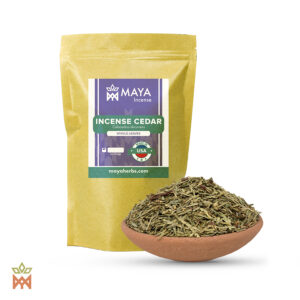
Their fresh, forest-like character can stand alone or form part of a blend. Pairing pine with Red Cedar wood chips brings two different conifer materials together; a little lavender introduces a floral note. Start with a small amount to explore how the aromas combine.
When burning loose incense, use a suitable heatproof vessel on a stable surface, allow ventilation and never leave it unattended.
Selected references
- Forestry and Land Scotland — Scots pine: range and identification
- Chemical composition of essential oils from Pinus sylvestris needles grown in northern Lithuania (2008)
- The Importance of Pine Species in the Ethnomedicine of Transylvania (2022) — seasonal and traditional uses
Supplied as a botanical specimen. Information on traditional and cultural uses is provided for educational and ethnobotanical purposes only and does not constitute medical advice. This product is not intended to diagnose, treat, cure or prevent any disease.
Reviews
There are no reviews yet.