

Tonka beans, the fragrant seeds of cumaru
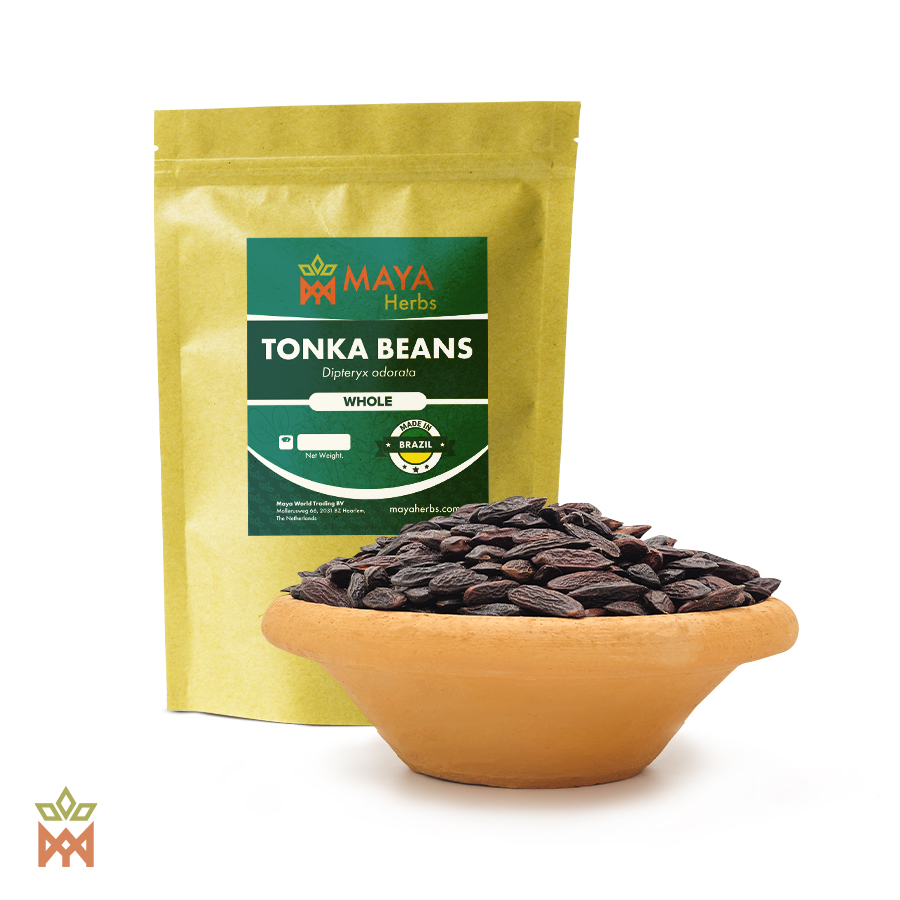
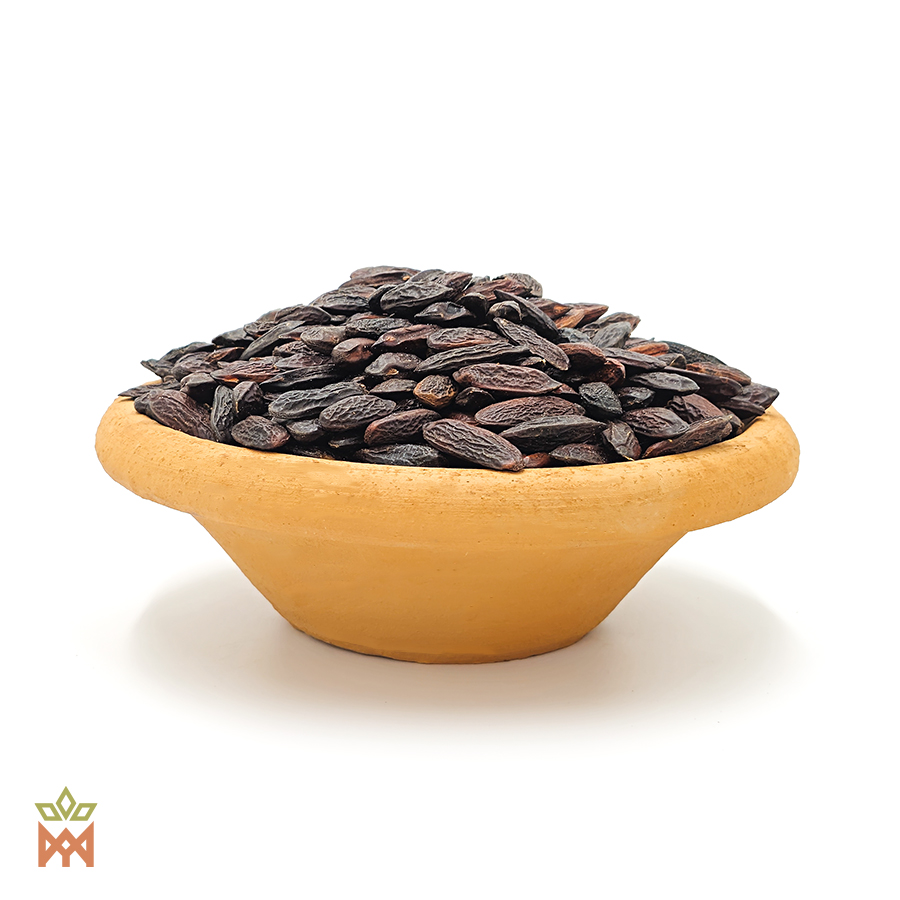
A dark, wrinkled Tonka bean holds an unexpectedly warm fragrance. Vanilla and almond are the familiar comparisons, with a sweet, hay-like character that gives the seed a place in perfumery as well as the botanical cabinet. These are the seeds of Dipteryx odorata, a South American tree widely known in Brazil as cumaru.
The tree belongs to the legume family, Fabaceae, and is native to the northern part of South America, including northern and western Brazil. Its seeds are one of several products gathered from a tree also known for exceptionally dense timber. The aromatic seed is the part offered here.
Fragrance in Amazonian material culture
The use of cumaru’s scent extends beyond commercial perfume. Brazilian botanical and educational accounts record Indigenous uses of the seeds in necklaces and bracelets, and of their oil to perfume the hair. These are tangible examples of how fragrance belongs to adornment and everyday material culture.
Worn or carried close to the body, the seeds combine an enduring natural material with a distinctive smell. That documented connection is useful when considering Tonka’s ethnobotanical history: the seed’s cultural importance is closely tied to its fragrance and the ways people incorporate it into objects and personal care.
Coumarin and the perfume trade
A major contributor to Tonka’s aroma is coumarin, a naturally occurring fragrant compound also found in several unrelated plants. Its sweet hay-like note helps explain why perfumers value Tonka materials alongside vanilla, woods and warm amber accords. The aroma is complex, although a familiar comparison such as “vanilla” describes a sensory impression rather than making the seed a vanilla bean.
Cumaru in Brazilian drinks and tobacco
In Brazil, cumaru’s fragrance has travelled through kitchens, drinks and the tobacco trade. Brazilian botanical literature records the seed as an aromatic ingredient in sweets, liqueurs, whisky and vermouth. More recent accounts describe cumaru-flavoured beer in Belém, Pará. These uses explain the seed’s frequent comparison with vanilla: its rich scent can give a preparation a recognisable character even when the seed itself is no longer visible.
The same aromatic quality also gave cumaru a place in cigars, pipe tobacco and rapé. A University of Brasília report specifically records its use to perfume rapé, while the Brazilian Plantas para o Futuro account documents cigar and tobacco flavouring. This concerns the fragrant seed and materials derived from it. Cumaru wood ash, used in some other rapé preparations, is a different material; the seed’s aroma and chemistry should not be assumed to remain in the ash.
Coumarin content matters when Tonka is used in food, and its fragrance is not a guide to a safe quantity.
What current research can tell us
A 2026 laboratory study analysed two extracts made from Tonka seeds using different solvents. Coumarin was the dominant constituent detected in both extracts, but the extracts behaved differently in bacterial tests and experiments with cultured human cells. At higher tested concentrations, both showed effects that reduced cell proliferation.
These results underline why the preparation and concentration matter. They do not establish an antimicrobial treatment or a health benefit from keeping or using whole Tonka beans. The German Federal Institute for Risk Assessment also identifies coumarin as a substance capable of causing liver injury in particularly sensitive people. Its presence is relevant to safety as well as fragrance.
Tonka’s clearest appeal is its rich aromatic character and the history of the seed itself. Keep the beans sealed, dry and away from direct sunlight. They form part of our Well-being botanical collection.
Selected references
- Nascimento and colleagues: Dipteryx odorata in Plantas para o Futuro, Região Norte (2022), pp. 616–628
- CEDERJ: O Incrível Poder dos Seres Clorofilados, aromatic plants, p. 190
- Dormousoglou and colleagues: laboratory study of Tonka seed extracts (2026)
- University of Brasília: cumaru seed and extract, including aromatic use in rapé
- Celestino Pesce / Museu Paraense Emílio Goeldi: Oleaginosas da Amazônia, cumaru and aromatic drinks
- German Federal Institute for Risk Assessment: coumarin in foods
Information on traditional, cultural and reported uses is provided for educational and ethnobotanical purposes only and does not constitute medical advice. This product is not intended to diagnose, treat, cure or prevent any disease.

Reviews
There are no reviews yet.