
Kanna in Cape herbal tradition
Kanna tinctures have a place in Cape herbal history reaching back to the nineteenth century. They belong to the wider story of a succulent long valued by Khoikhoi and San communities, whose plant knowledge shaped kanna’s reputation in southern Africa.
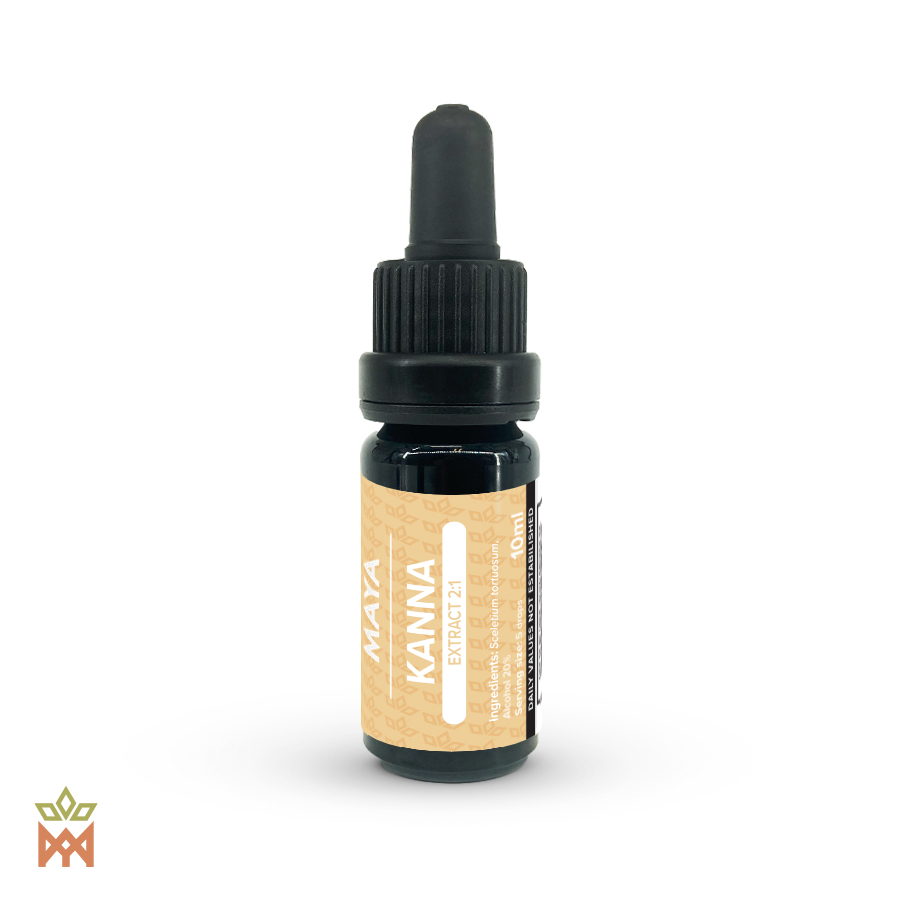
Our tincture is made from ethically sourced South African Sceletium tortuosum herb using ultrasound-assisted extraction. It contains 20% alcohol and carries a stated extraction ratio of 2:1.
A history of liquid preparations
Written references to kanna infusions and tinctures appear in Cape herbal accounts by 1857. Later descriptions record their use among colonial farmers, alongside the older kougoed tradition associated with Khoikhoi and San communities. The surviving accounts document a variety of preparations and experiences, including sociable and calming uses of the plant.
Mesembrine and modern extraction
Kanna contains related alkaloids including mesembrine, mesembrenone and mesembrenol. Laboratory work with a standardised extract and isolated compounds found inhibition of the serotonin transporter, which takes serotonin back into nerve cells after signalling. Mesembrine was especially active at this target, while mesembrenone also inhibited phosphodiesterase-4, an enzyme involved in cellular signalling.
The ultrasound-assisted process used for this tincture helps the extraction liquid reach plant tissues and release soluble constituents. It uses sound-generated mechanical forces during preparation. The method does not, by itself, establish a particular alkaloid concentration.
The laboratory findings concern defined extracts and compounds; they do not demonstrate a therapeutic effect or a specific onset time for this tincture.
Explore our Kanna collection for more about the plant and its other preparations.
Care and precautions: Keep tightly closed, cool and away from direct sunlight, children and pets. This preparation contains alcohol. Avoid combining kanna with antidepressants or other medicines that affect serotonin without medical advice. Seek professional advice during pregnancy or breastfeeding.
Selected references
- Brendler et al. (2021) — Kanna’s traditional preparations and Cape tincture history
- Terburg et al. (2013) — Historical context of kanna tinctures and research on a separate standardised extract
- Harvey et al. (2011) — Laboratory research on kanna extract and its alkaloids
- Demesa et al. (2024) — The process of ultrasound-assisted plant extraction
This product is sold as a botanical specimen. Information on traditional, cultural and reported uses is provided for educational and ethnobotanical purposes only and is not a recommendation for any particular use. This product is not intended to diagnose, treat, cure or prevent any disease.

Reviews
There are no reviews yet.