


The bright fruit behind Guarana
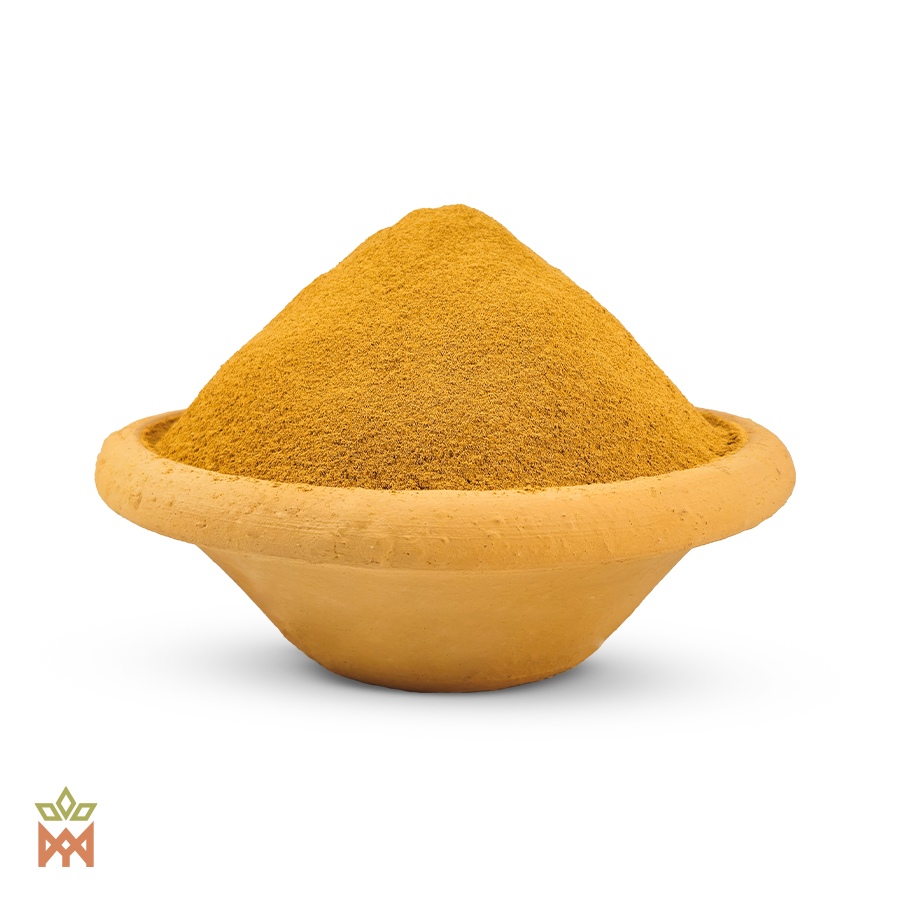
Ripe guarana fruits open like small eyes: a red outer covering parts to reveal a dark seed against white flesh. Inside that striking fruit is the naturally caffeine-rich seed that made Paullinia cupana an important Amazonian stimulant. Our Guarana powder is made from finely ground seeds sustainably harvested in Brazil, with the characteristic bitter, astringent taste of the seed.
The name guaraná traces back to the Sateré-Mawé word warana, through the Tupi-based language Nheengatu. Popularly interpreted as “human eyes”, it echoes the appearance of the opened fruit. In one retelling of the Sateré-Mawé origin story, Tupã transforms the eyes of a child who has died into the first guarana plant, a gift of strength and vitality for the people. The small “eyes” of each ripening fruit recall that story, giving this familiar Brazilian stimulant a deeper cultural meaning.
A plant at the centre of Sateré-Mawé life
The Sateré-Mawé, whose homeland lies between the Madeira and Tapajós rivers, developed a culture of cultivating, preparing and sharing guarana. Knowledge of the plant is passed through those practices, connecting the crop to family and community life.
Their traditional preparation, çapó, is made by grating a prepared guarana stick into water. Ethnographic accounts describe a shared gourd passing between participants, with elders and honoured visitors served first. Preparing and offering it belongs to the conduct of hospitality, family gatherings and meetings of leaders. Its significance comes from the relationships expressed through those acts as much as from the drink itself.
By the nineteenth century, guarana sticks were reaching European pharmacists and researchers. Later, industrial beverages brought the plant to a much wider audience. These developments form part of its history, while the living Sateré-Mawé tradition remains distinct from the commercial powder and extract trade.
Inside the guarana seed
Guarana belongs to the soapberry family, Sapindaceae. Chemical studies of its powdered seeds identify caffeine alongside smaller amounts of related methylxanthines, as well as catechin and epicatechin, compounds associated with its tannins. This mixture gives researchers more to investigate than caffeine alone. It does not, however, establish that guarana releases caffeine slowly or guarantees a gentler response than other caffeine sources.
Human research has mostly examined particular extracts or formulated preparations. In a small placebo-controlled study of 26 participants, researchers reported improvements in selected memory and mood measures after a guarana extract. A 2023 analysis of eight studies found a small improvement in response speed, but no significant overall cognitive benefit or improvement in accuracy. The mixed results do not support a broad promise of better memory or concentration from ordinary seed powder.
Guarana naturally contains caffeine and can disturb sleep or cause unwanted stimulation. It should not be treated as caffeine-free because it is botanical. People sensitive to caffeine, pregnant or breastfeeding, or taking medication should seek qualified advice before use.
Maya also offers a separate Guarana dry extract. Here, the focus is the powdered seed: a familiar Brazilian botanical whose cultural history remains inseparable from the people who first cultivated and shared it.
Selected references
- Instituto Socioambiental: Sateré-Mawé history, guarana and the sharing of çapó
- Merriam-Webster: the name guarana, Nheengatu and Sateré-Mawé warana
- CRIA, on Google Arts & Culture: Guaraná, the eyes of the Amazon — name interpretation and origin story
- Giraldo Figueroa: Guaraná, a máquina do tempo dos Sateré-Mawé (2016)
- Chemical analysis of tannins and methylxanthines in guarana powder (2010)
- Haskell and colleagues: placebo-controlled guarana extract study (2007)
- Effect of Guarana on Cognitive Performance: systematic review and meta-analysis (2023)
- European Medicines Agency: guarana seed assessment and precautions
Information on traditional, cultural and reported uses is provided for educational and ethnobotanical purposes only and does not constitute medical advice. This product is not intended to diagnose, treat, cure or prevent any disease.


Reviews
There are no reviews yet.