

Taiwan Acacia and its ethnobotanical heritage
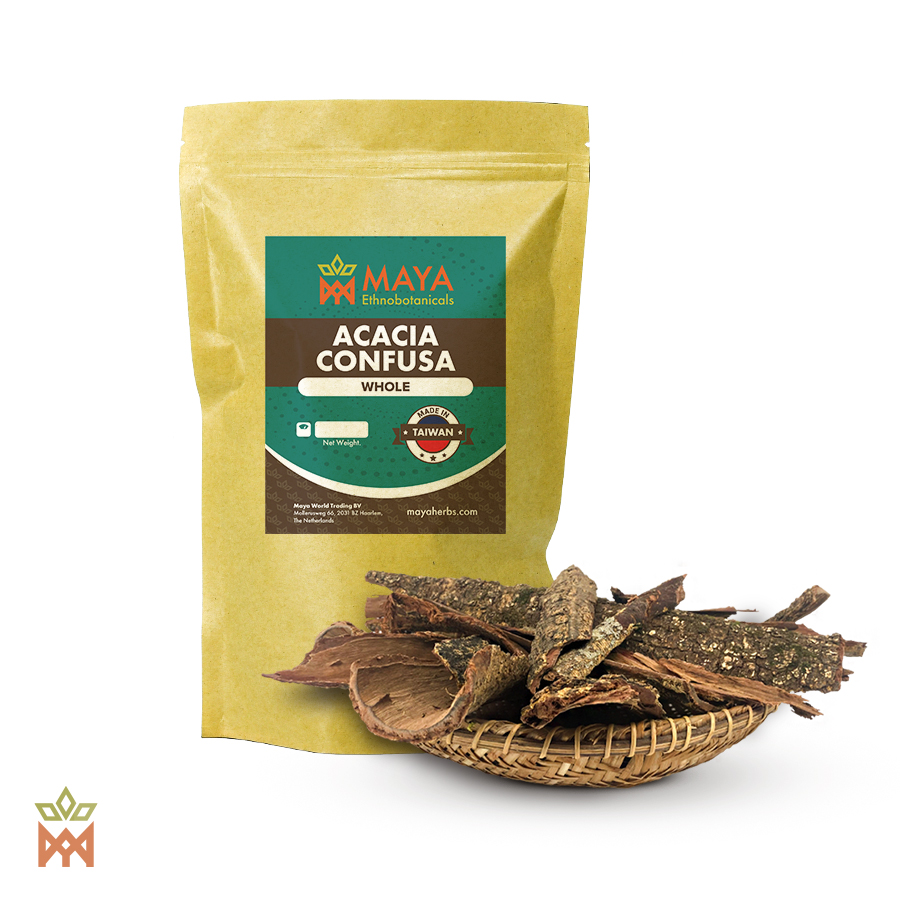
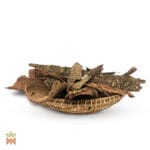
Acacia confusa, commonly known as Taiwan Acacia, is an evergreen tree with a longstanding place in Taiwan’s landscapes and plant traditions. Known locally as 相思樹 (xiāng sī shù), it belongs to the legume family, Fabaceae, and is native to Taiwan and parts of Southeast Asia. Maya Herbs offers its whole bark from Taiwan.
The tree behind the bark
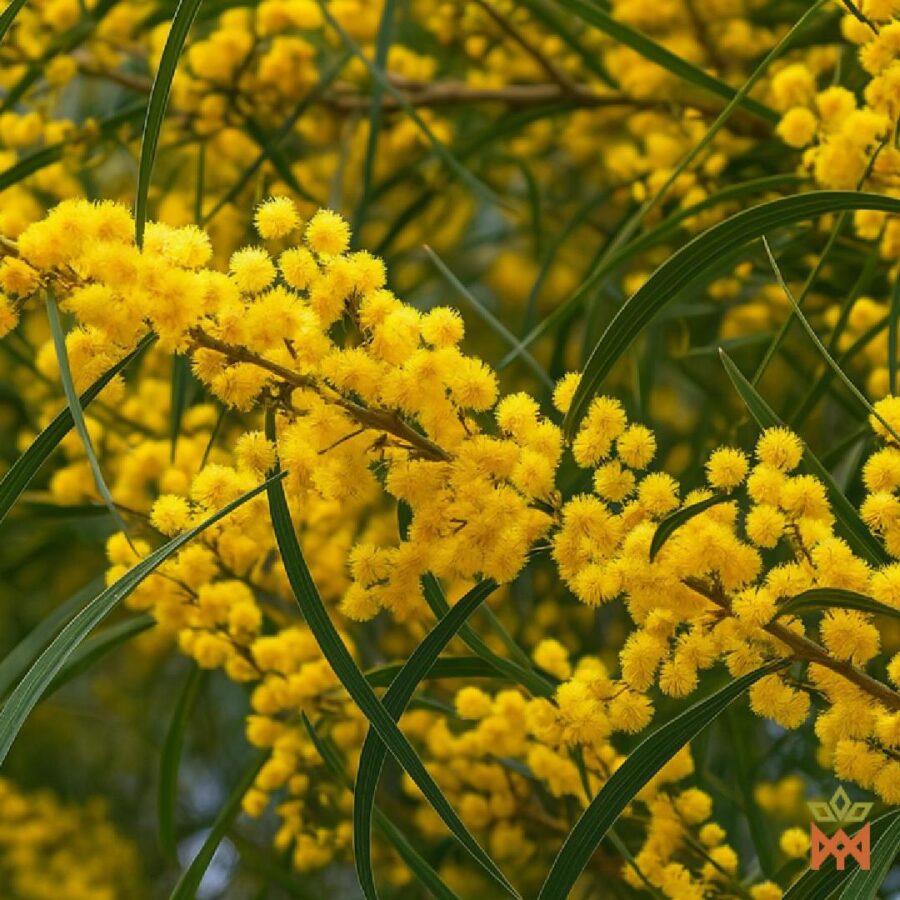
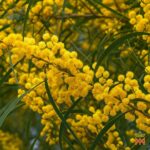
Growing approximately 6–15 metres tall, Taiwan Acacia is familiar on open hillsides, in secondary woodland and across the island’s lowland and foothill landscapes. Its small, golden flower heads carry a delicate fragrance and develop into flattened seed pods.
One of its most distinctive features is its changing foliage. Young seedlings produce finely divided compound leaves; mature trees develop narrow, gently curved phyllodes—flattened leaf stalks that perform the work of leaves. Their leathery texture helps conserve moisture, allowing the tree to withstand drier conditions.
Traditional plant knowledge in Taiwan
Taiwanese ethnobotanical records document the tree’s place in local herbal knowledge. An account of Bunun plant use describes crushed leaves applied externally in traditional wound care, including for bleeding. Chinese medicinal references also record preparations made from young branches, leaves and shoots for injuries and skin complaints. These records describe historical practices involving those particular plant parts.
The tree also supported everyday material life. Its hard, durable timber supplied tools, furniture and structural wood, while charcoal making became an established part of Taiwan’s Hakka cultural history.
Bark and botanical chemistry
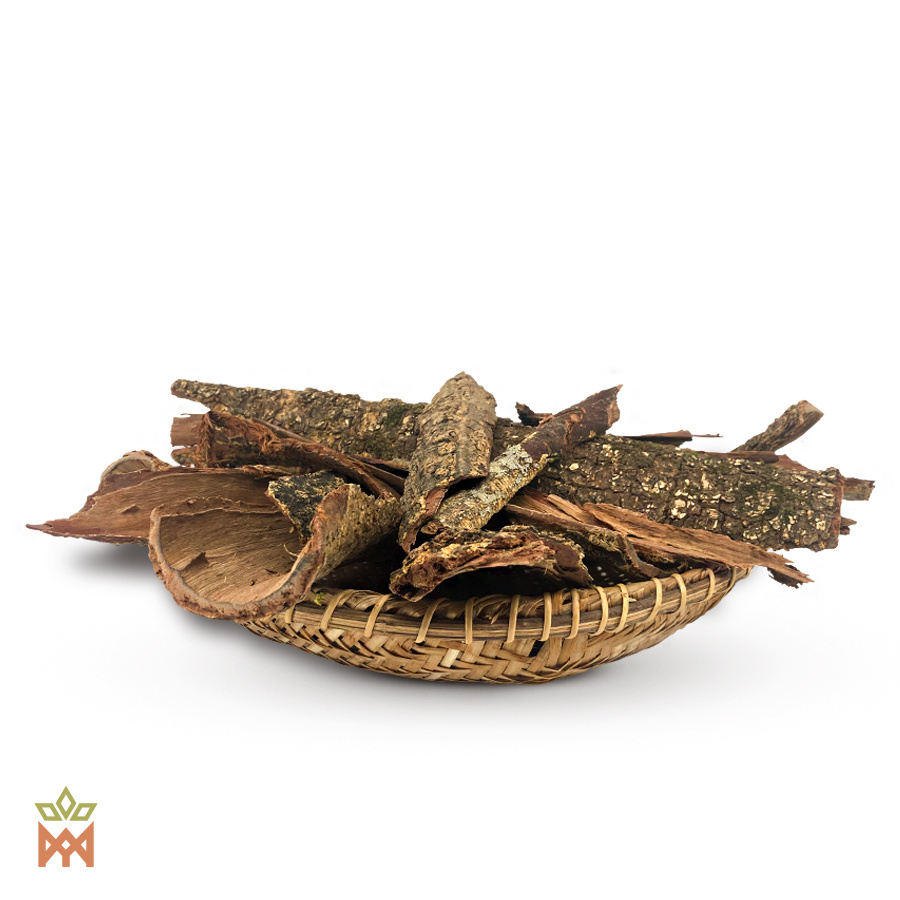
The bark is particularly interesting for its condensed tannins, including procyanidins. Researchers studying stem bark and root bark have characterised these compounds and investigated their antioxidant activity in laboratory assays. These findings concern experimental extracts and isolated tannin fractions.
Its colouring properties also have a documented material history. A historical dye sample preserved by Boston’s Museum of Fine Arts records Acacia confusa bark used to produce a reddish-brown colour on silk.
Contemporary ethnobotanical interest
Alongside its older herbal and material uses, Acacia confusa has entered contemporary ceremonial practice. Taiwanese practitioner Li-Chun Lin has described work with the species in connection with spiritual inquiry, ancestral themes and creative expression. Such accounts add a present-day dimension to the tree’s ethnobotanical story.
This Taiwanese whole bark forms part of Maya Herbs’ Acacia collection.
Selected references
- Botanical identity and morphology: Royal Botanic Gardens, Kew; Hong Kong Baptist University.
- Traditional plant knowledge: Taiwan’s National Research Institute of Chinese Medicine: Bunun ethnobotanical record; Hakka Culture Development Center.
- Bark chemistry and material history: Condensed tannins study (2010); Museum of Fine Arts, Boston: historical bark-dye sample.
- Contemporary practitioner account: Li-Chun Lin.
This product is sold as a botanical specimen. Information provided here is for educational and ethnobotanical purposes only. It is not intended to diagnose any ailment, or to treat, cure, or prevent any disease. Please check your local regulations before ordering botanical products.
Andrej –
Highly recommended medicine from a good clean source. It’s my preferred admix for working with Syrian Rue.