

Chuchuhuasi in the Peruvian Amazon
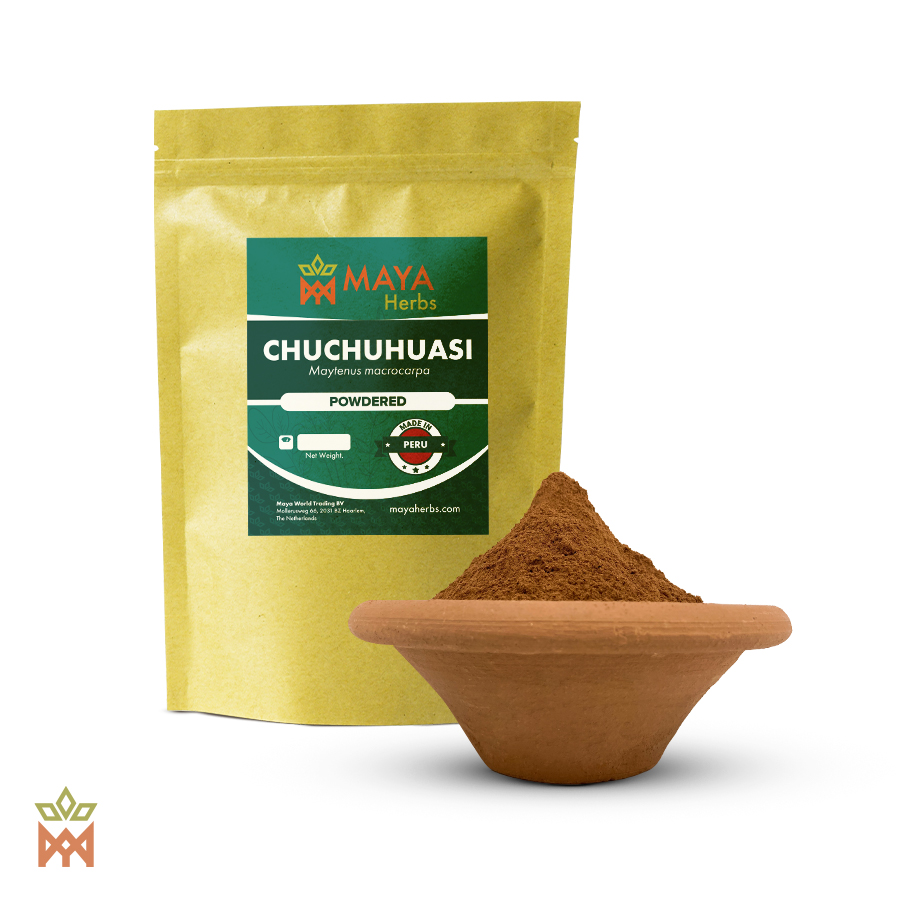
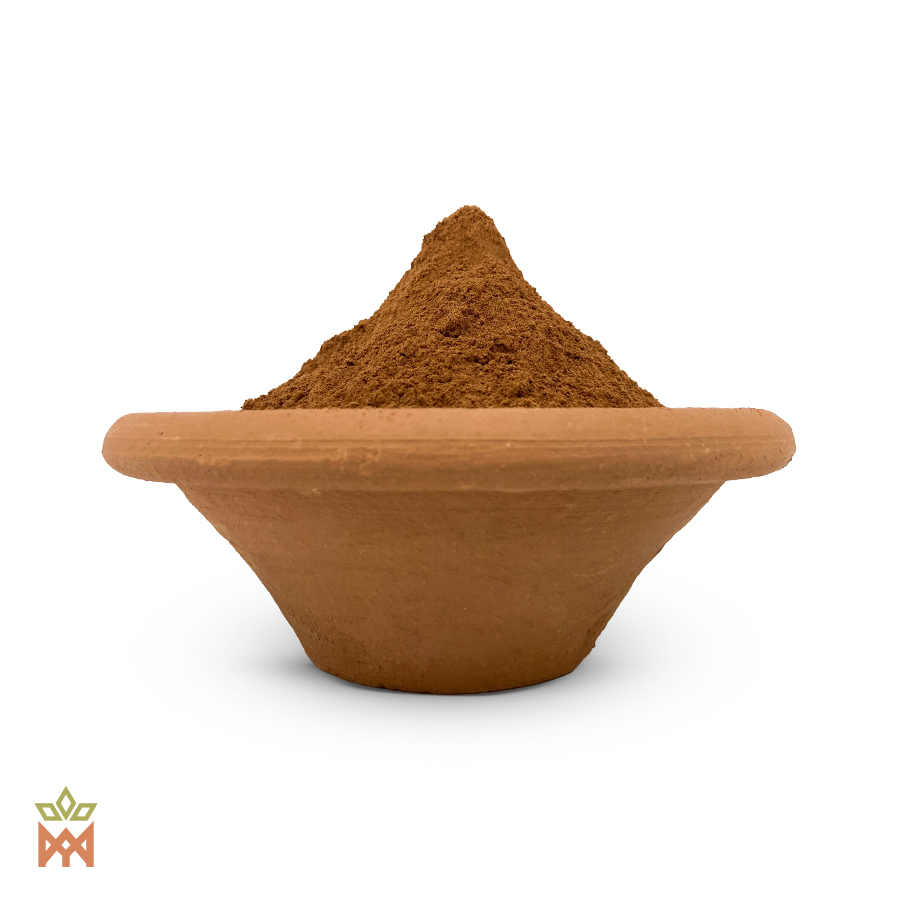
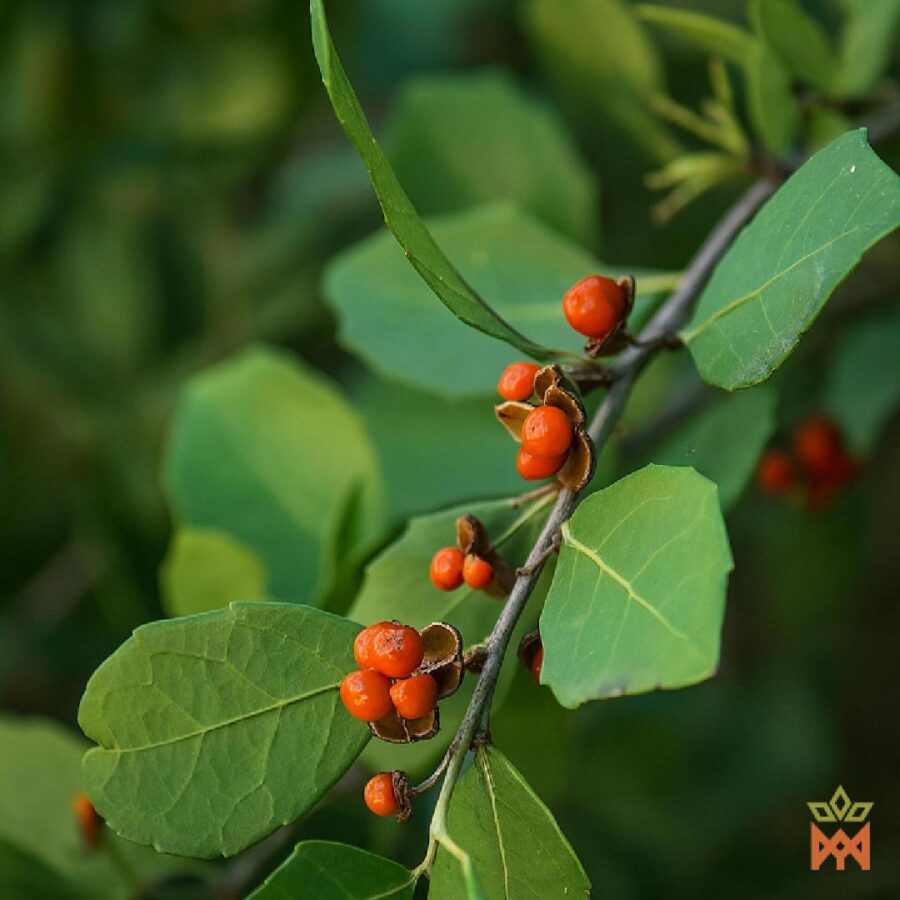
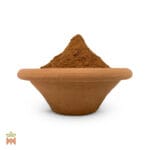
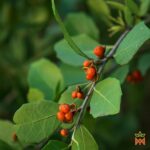
Chuchuhuasi is known in the Peruvian Amazon for the bark of a substantial rainforest tree. Maytenus macrocarpa can reach around 30 metres in height, and its bark appears in regional preparations and the disciplined plant practices of the Chazuta valley. This finely powdered bark comes from Peru.
A tree with several botanical names
The species belongs to the Celastraceae family and grows across tropical South America, including Peru, Ecuador, Colombia, Bolivia and northern Brazil. Its scientific record reaches back to 1802, when it was described as Celastrus macrocarpus in Flora Peruviana.
The name Monteverdia macrocarpa entered the literature through a reorganisation of the genus in 2017. It refers to the same species as Maytenus macrocarpa, the name currently accepted by the Royal Botanic Gardens’ Plants of the World Online database.
Chuchuhuasi in the Quechua traditions of Chazuta
In Peru’s Chazuta valley, Chuchuhuasi belongs to a bark tradition preserved among the San Martín Quechua, also known as Lamas Quechua. Ethnobotanists recorded it in preparations used during sama: periods of dietary discipline and retreat. These practices were undertaken to regain strength and health, and sometimes formed part of the training of vegetalistas, specialists in plant medicine.
One telling detail is the significance people gave to the bark itself. Researchers noted that Chuchuhuasi’s thick, hard bark was associated with strength. In mixed forest preparations known as bachuja or mezclas de palos, practitioners believed that qualities of resilient trees and vines could pass to the person taking them.
Within this tradition, the plant preparation, seclusion and conduct of the participant formed a single practice. Learning could involve dreams interpreted as encounters with plant spirits, through which a future healer received guidance. The account places Chuchuhuasi within a wider relationship between forest, bodily endurance and spiritual knowledge.
Research into bark constituents
Chemists studying Maytenus macrocarpa have investigated several families of triterpenes, compounds built around a thirty-carbon framework. Work on material exuded from the stem bark identified friedelane and dammarane triterpenes. Separating these compounds and examining them by spectroscopy allowed researchers to establish their molecular structures.
Our finely powdered Chuchuhuasi bark undergoes quality-control measures for purity and consistency. Keep it tightly sealed in a cool, dry place, protected from light and moisture. Related botanical materials can be found in our Well-being collection.
Selected references
- Royal Botanic Gardens, Plants of the World Online — Maytenus macrocarpa and its synonyms
- Biral and colleagues (2017) — botanical classification and the name Monteverdia
- Sanz-Biset & Cañigueral (2011) — plant use and the sama tradition in Chazuta
This product is sold as a botanical specimen. Information on traditional, cultural and reported uses is provided for educational and ethnobotanical purposes only and is not a recommendation for any particular use. This product is not intended to diagnose, treat, cure or prevent any disease.



Reviews
There are no reviews yet.