



Ipê-roxo, the tree behind Pau d’Arco
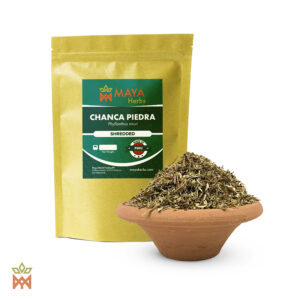
Pau d’Arco is known for the contrast between its dense wood and its striking flowers. The species offered by Maya is Handroanthus impetiginosus, the Ipê-roxo, whose blossoms range from pink to purple. Its bark has a longstanding place in South American herbal preparations. This shredded form is wild-harvested in Peru and supplied without additives.
One tree, several botanical names
Older books and research papers often call this species Tabebuia impetiginosa or Tabebuia avellanedae. Both are recognised synonyms of Handroanthus impetiginosus. Lapacho, pau d’arco roxo and ipê-roxo are among its familiar regional names; tahuari is also used in the Peruvian trade for this group of trees.
The tree belongs to Bignoniaceae, the trumpet-flower family, and occurs naturally in Peru, Brazil and other parts of tropical America. Its compound leaves spread from a common point, while its long seed capsules contain winged seeds. The familiar bark therefore comes from a conspicuous flowering tree with a much wider life in the landscape.
The place of bark in South American herbal practice
Pau d’Arco’s herbal history centres on the trunk bark and inner bark. Traditional accounts describe preparations in water and alcohol, used both externally and internally for complaints involving the skin and inflammation. The simmered bark preparation is commonly described as lapacho tea. These records concern customary herbal use, rather than a clinical demonstration of what any particular preparation can achieve.
There is also a less familiar material history: boiling the bark yields a dye used on cotton and silk. Alongside the tree’s timber and ornamental flowers, this shows how its importance extended beyond a single medicinal reputation. Different parts were valued for different purposes, with the bark’s colour and extractable constituents contributing to several of them.
Understanding the scientific interest
Researchers have investigated bark constituents and extracts for their effects on inflammatory signalling. A 2021 experiment exposed human immune cells to extracts prepared with different solvents and measured the signalling proteins the cells released. Some preparations reduced selected inflammatory responses.
Those were cells studied outside the body, not people drinking Pau d’Arco tea. The research provides a reason to investigate the bark further, but does not establish the effectiveness or safety of a household preparation. Naming both the species and the material studied is essential when interpreting claims about lapacho.
Maya’s shredded bark is selected through sustainable wild-harvesting practices that support local Peruvian harvesters. The same species is also available as Pau d’Arco bark powder from Brazil.
Selected references
This product is sold as a botanical specimen. Information on traditional, cultural and reported uses is provided for educational and ethnobotanical purposes only and is not a recommendation for any particular use. This product is not intended to diagnose, treat, cure or prevent any disease.


Reviews
There are no reviews yet.