


A different expression of Jesse’s Paricá
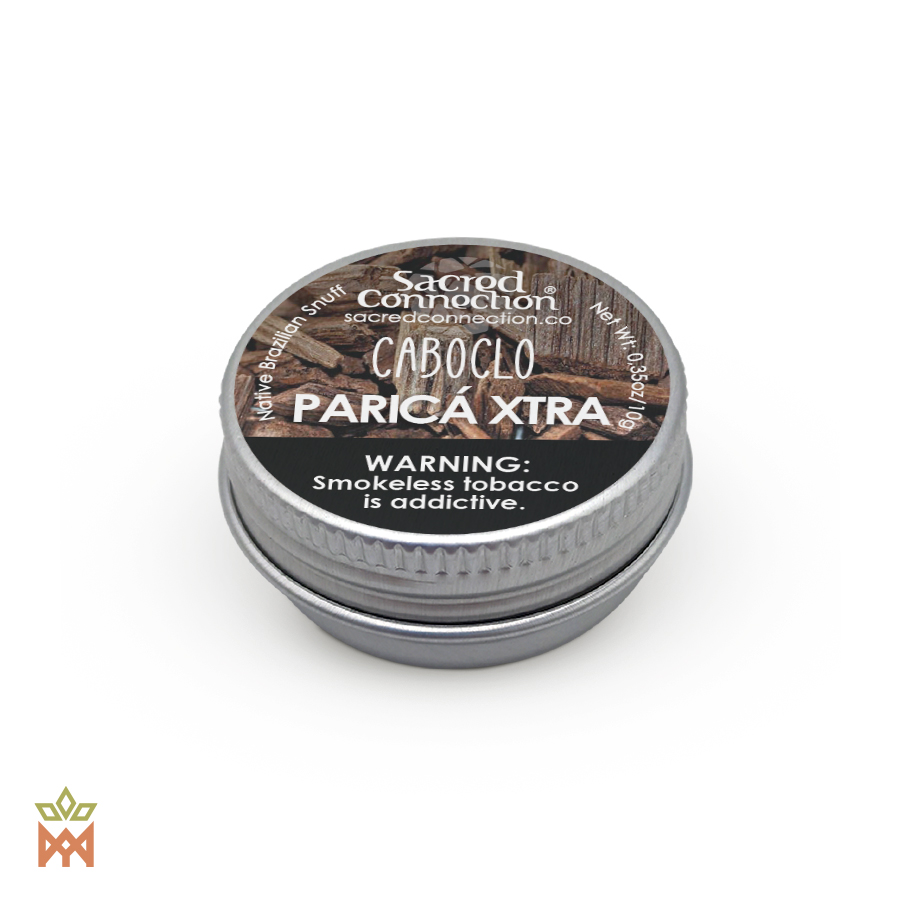
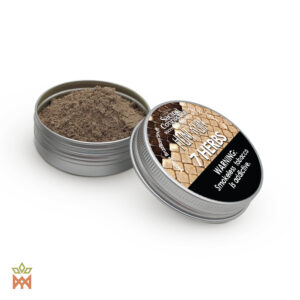
The same forest tree lies behind both of Jesse de Paula’s Paricá preparations, but the tobacco changes. In Caboclo Paricá Extra Hapé, Arapiraca tobacco accompanies the Paricá ash. Its darker colour and earthy character belong to a recipe with a higher proportion of tobacco than Jesse’s original Paricá.
Arapiraca tobacco and Paricá ash
The original Paricá preparation uses Sabiá tobacco. Extra, also written Xtra, uses Arapiraca and a different balance of tobacco and ash. These are the documented differences between the two recipes. Paricá ash remains the link between them, carrying the tree’s local name into both preparations.
Jesse knows this tree within a landscape of familiar trails, working trees and plants with particular places in local tradition. In his account of developing Paricá, study and spiritual insight sit alongside one another: learning a plant involves both attention to its material qualities and the meaning it holds for its maker.
Knowledge learned along the forest trails
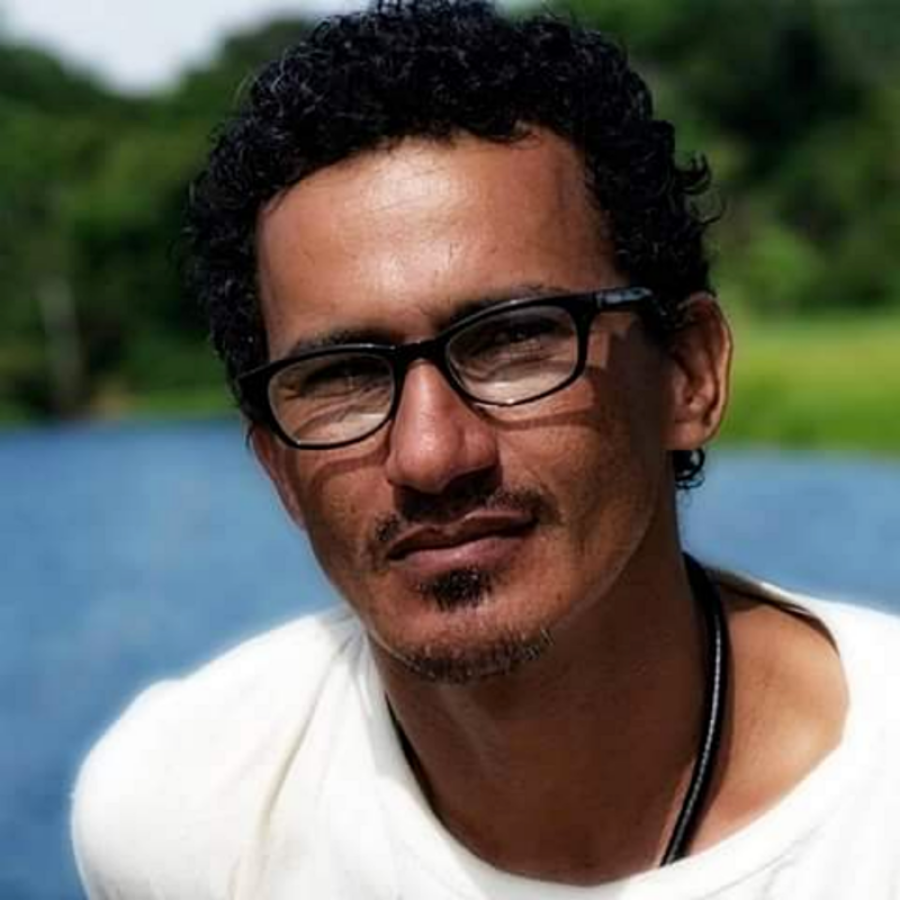
Jesse grew up in the Amazon and worked as a rubber tapper from a young age. His early mornings were spent among latex trees; the rest of the work involved collecting and processing their milky sap. Years of moving through the forest became the foundation of his knowledge of plants and terrain.
His hapé preparations belong to that personal history and to the exchanges through which Caboclo plant knowledge has developed. Paricá Extra is one recipe within his repertoire, with its own tobacco and proportions, while remaining connected to the ash around which he created the original.
This preparation contains tobacco and nicotine. Traditional and spiritual accounts are presented as cultural context, not as medical claims.
Reviews
There are no reviews yet.