
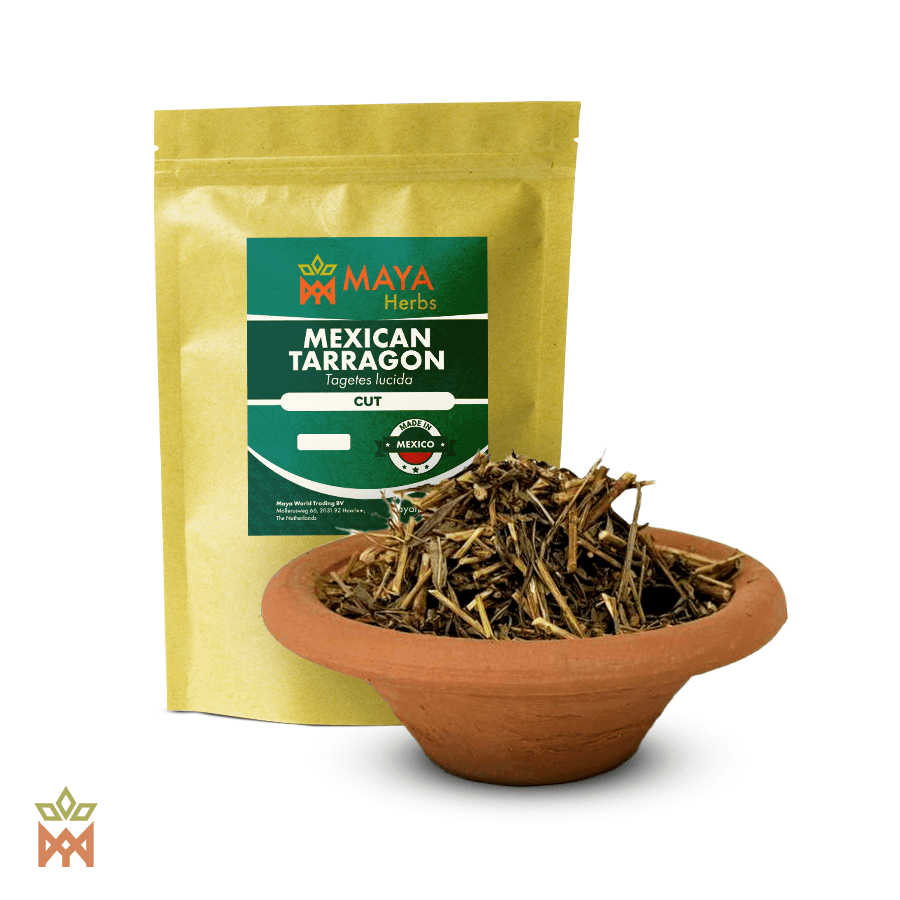
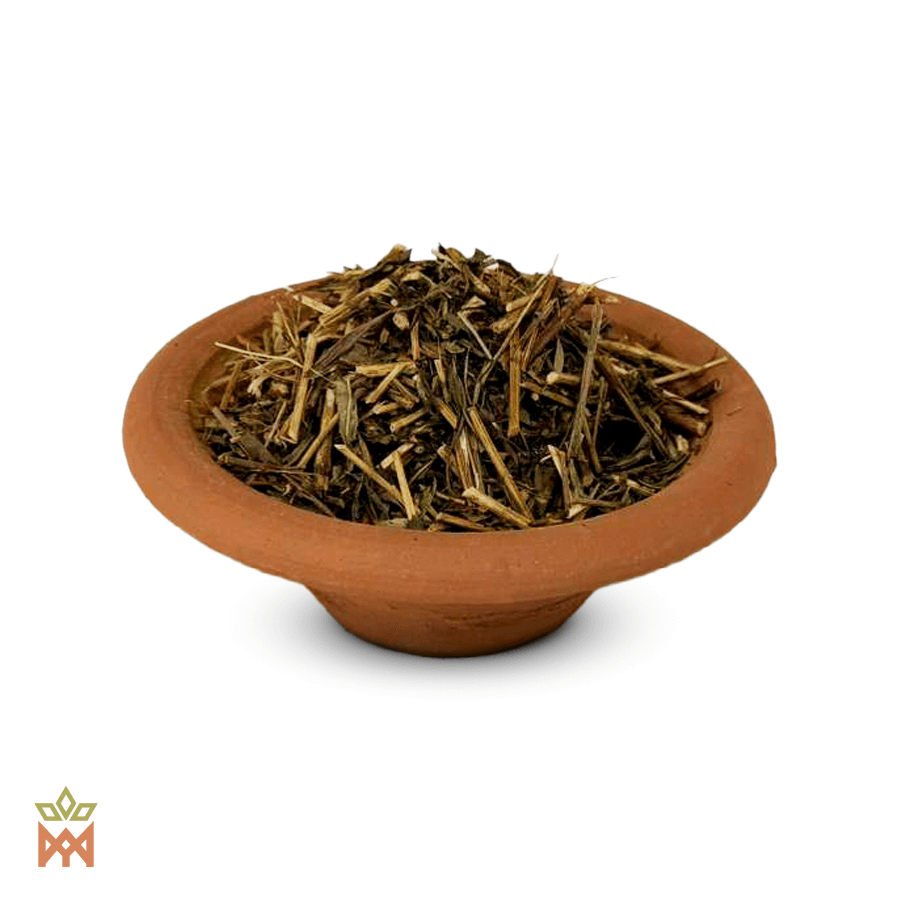

Mexican Tarragon
Mexican Tarragon, scientifically known as Tagetes lucida, is an aromatic herb native to Mexico and Central America. Also known as Mexican Mint Marigold, Sweet Mace, Yerbaniz, Pericón, or Yauhtli, this plant is appreciated for its warm, sweet, anise-like aroma and its traditional connection to Mexican herbal culture.
This shredded herb from Mexico offers a fragrant botanical profile that is often compared to French tarragon, although it belongs to a completely different botanical family. While French tarragon comes from Artemisia dracunculus, Mexican Tarragon belongs to the Asteraceae family, the same broad family as marigolds, sunflowers, and daisies.
For customers exploring Mexican botanicals, this herb pairs naturally with other plants from our Mexico collection, including Mexican Dream Herb, Chilcuague, and Osha Root.
Botanical Information
Tagetes lucida is a strongly aromatic perennial herb with narrow green leaves and small yellow flowers. The leaves are especially valued for their sweet fragrance, often described as a blend of anise, licorice, and tarragon.
Botanical classification:
- Botanical name: Tagetes lucida
- Common names: Mexican Tarragon, Mexican Mint Marigold, Sweet Mace, Pericón, Yerbaniz, Yauhtli
- Family: Asteraceae
- Plant part: Herb / aerial parts
- Origin: Mexico
- Product form: Shredded herb
For botanical reference, Tagetes lucida is listed by Plants of the World Online – Kew Science and other botanical databases as a recognised species within the genus Tagetes. The name was first described by Antonio José Cavanilles in the late 18th century.
Traditional & Cultural Significance
In Mexico, Tagetes lucida has a long history of traditional use under names such as Pericón and Yauhtli. In pre-Hispanic Mesoamerican culture, it was associated with aromatic preparations, ritual use, incense, and herbal infusions. The plant was also connected with the Aztec rain deity Tlaloc and was used as a fragrant ceremonial herb.
Today, Mexican Tarragon remains valued in Mexican folk traditions and herbal culture. Its pleasant anise-like profile makes it suitable for aromatic blends, tea-style preparations, incense mixtures, and ethnobotanical collections.
Customers interested in traditional Mexican herbs may also enjoy browsing our full Herb collection or our broader Ethnobotanicals selection.
Aroma, Taste & Quality
Mexican Tarragon has a naturally sweet and herbal aroma, with notes reminiscent of anise, licorice, and tarragon. The shredded format makes it easy to use in herbal blends, infusions, aromatic preparations, or as part of a personal botanical collection.
Compared to powdered herbs, shredded material keeps more of the plant’s visible texture and character, making it a good choice for customers who prefer a more traditional and recognisable botanical form.
How Mexican Tarragon Is Commonly Used
Mexican Tarragon is commonly used as an aromatic herb, as a tarragon substitute in culinary traditions, and in herbal infusions. In Mexican folk use, the herb has been prepared as tea and used in fragrant or ritual contexts.
Common uses include:
- Herbal infusions
- Aromatic tea-style blends
- Culinary-inspired botanical preparations
- Ritual or incense blends
- Ethnobotanical study and collection
For a complementary selection of aromatic and traditional botanicals from Mexico, explore Chilcuague, Mexican Dream Herb, and all products from Mexico.
Preparation
For a simple aromatic infusion, use a small amount of shredded Mexican Tarragon with hot water and let it steep for several minutes. Its natural sweetness and anise-like aroma can become quite pronounced, so it is best to start with a light preparation and adjust according to preference.
Mexican Tarragon can also be blended with other herbs to create warm, fragrant, and slightly sweet herbal profiles.
Botanical References
For customers who want to learn more about the plant behind this product, the following references may be useful:
- Plants of the World Online – Kew Science
- International Plant Names Index – Tagetes
- Wikipedia – Tagetes lucida
- Wikipedia – Tagetes genus
Important Note
This product is sold as a botanical specimen. Information provided here is for educational and ethnobotanical purposes only. It is not intended to diagnose, treat, cure, or prevent any disease. Please check your local regulations before ordering botanical products.
Reviews
There are no reviews yet.