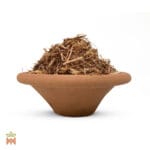

Clavo Huasca Tea – Traditionally Used as a Vitalizing Amazonian Bark Tea
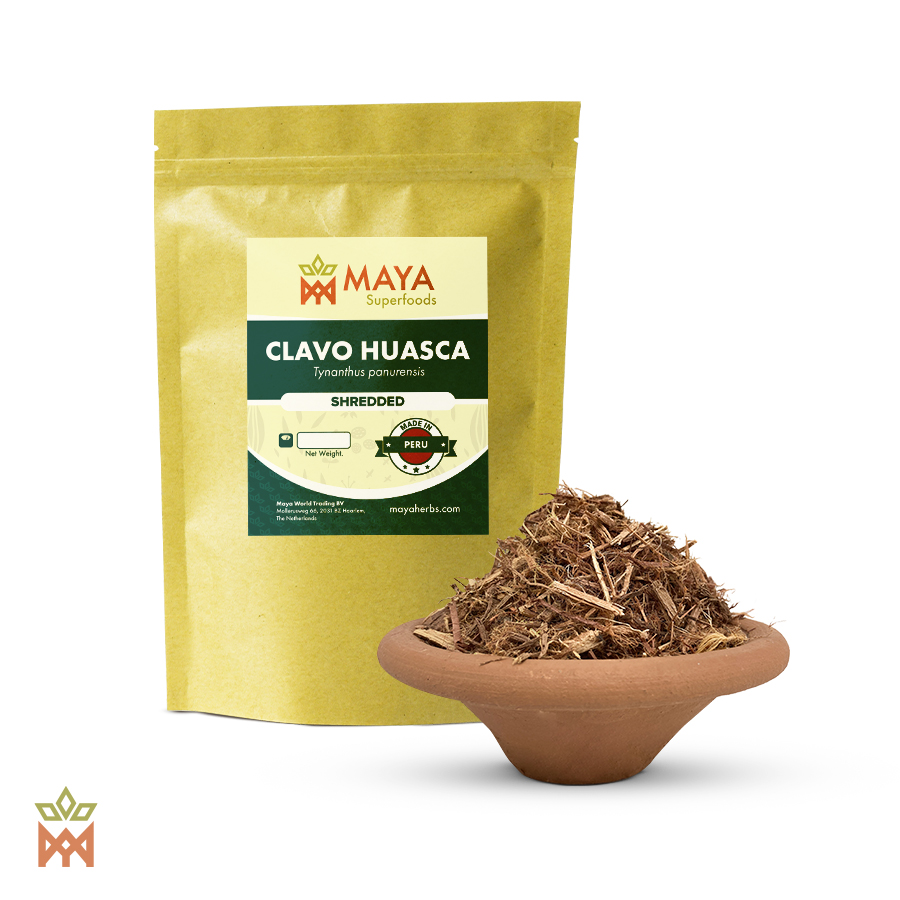
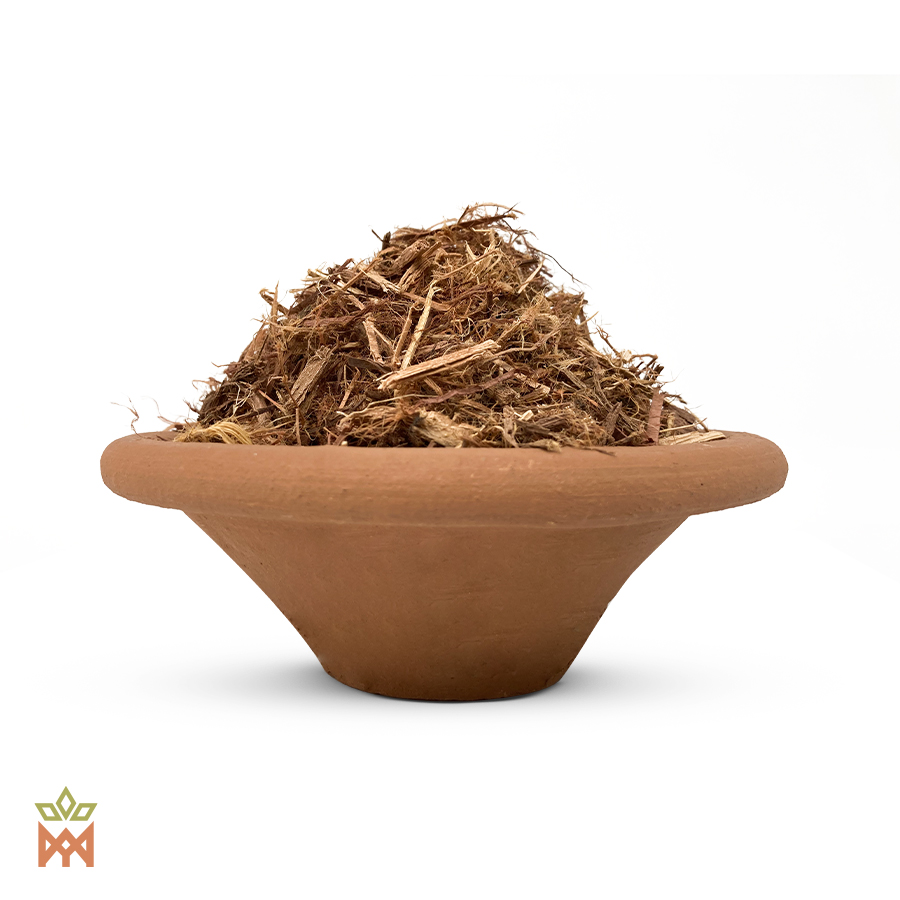
Clavo Huasca (Tynanthus panurensis) is an Amazonian vine whose aromatic bark is traditionally prepared as an herbal tea. In Peruvian folk traditions, Clavo Huasca is consumed as part of practices associated with vitality, grounding, and everyday resilience.
Tradition is only part of the story. Research supports parts of this botanical’s historical use: studies suggest that bark extracts of Tynanthus panurensis show antioxidant activity and may support pathways involved in the body’s inflammatory response, offering a plausible scientific context for why it appears in traditional preparations linked with pain-related folk use.
Traditional Use
Among indigenous and rural Amazonian communities, Clavo Huasca bark has been prepared during periods of physical effort, recovery, or seasonal transition. It is also widely known in regional traditions as a plant associated with aphrodisiac folk use—best understood as a cultural practice tied to intimacy, partnership, and vitality rather than an immediate “performance” promise.
How to Prepare Clavo Huasca Tea
Prepare 1 cup Amazonian Clavo Huasca Herbal Tea is prepared in 2 minutes and then left to steep for 5 – 10 minutes (7 -12 minutes in total.)
Ingredients
- 1–2 teaspoons (≈ 2–4 g) shredded Clavo Huasca bark
- 240 ml water
Step by step instruction
- Bring fresh water to a boil.
- Add the shredded bark to a cup or teapot.
- Pour hot water over the bark.
- Cover and let steep for 10–15 minutes.
- Strain and enjoy warm.
Traditionally, stronger preparations are made using a gentle decoction rather than an infusion.
Storage
Store in a cool, dry place away from direct sunlight. Keep sealed in an airtight container to preserve aroma and quality for up to 12 months.
Sourcing & Sustainability
Our Clavo Huasca bark is sourced through trusted partners working with traditional harvesting knowledge. We prioritize small-scale supply chains and careful handling to respect both local livelihoods and the forest ecosystems where this vine grows. You can explore more botanicals in our Teas collection.
Further Reading
- Bioactive properties of Tynanthus panurensis (Bureau) Sanwith bark extract, the Amazonian “clavo huasca” – Peer-reviewed research describing antioxidant activity and anti-inflammatory findings (in vitro and animal model).
- Bioactive Properties of Tynanthus panurensis (Bureau) Sanwith Bark Extract, the Amazonian “clavo huasca” – Journal article record (Journal of Medicinal Food / DOI page).
- Male sexual enhancers from the Peruvian Amazon – Ethnopharmacology context including Tynanthus panurensis in traditional mixtures.
- Tynanthus panurensis – Useful Tropical Plants – Ethnobotanical overview of local use as tea/spice (reference database).


Reviews
There are no reviews yet.