



Ajo Sacha and the Peruvian dieta
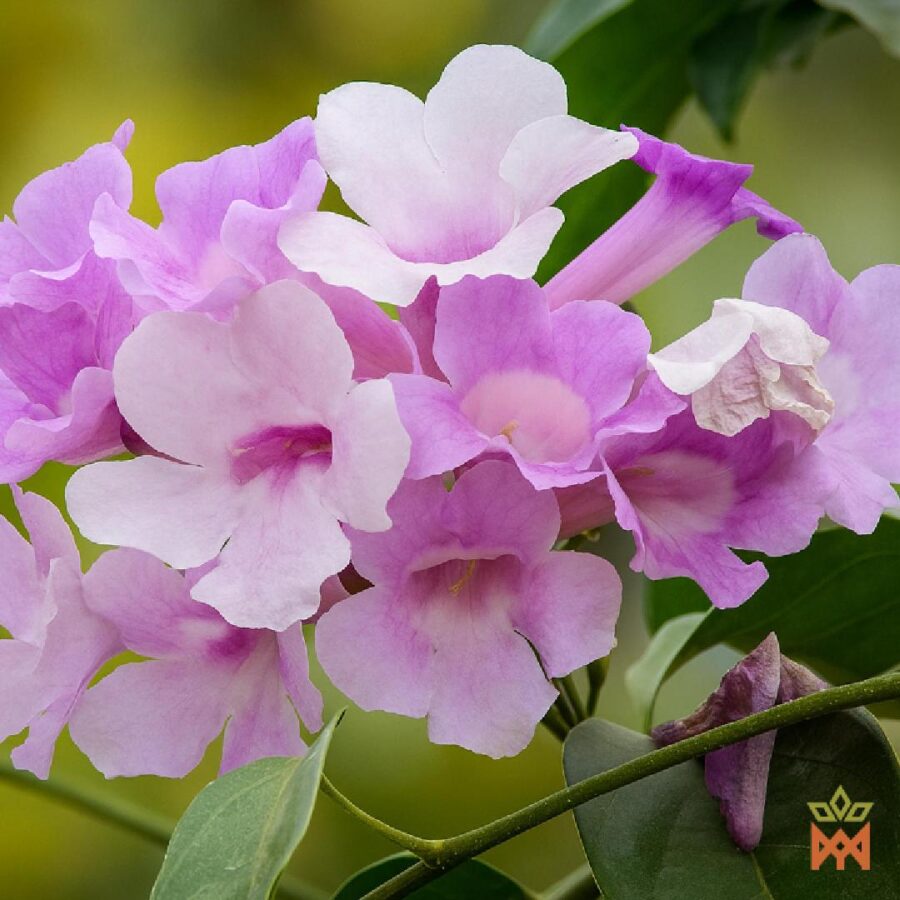
Ajo Sacha is one of the plants approached as teachers in Peruvian vegetalismo. Its place in this tradition is connected with apprenticeship, retreat and the search for direction in life. This is whole wood of Mansoa alliacea from Peru, the climbing plant also known as Ajos Sacha or forest garlic.
The species belongs to the Bignoniaceae family and grows as a woody climber. Brazilian agricultural researchers describe it in shaded forest and secondary vegetation, on land away from watercourses. Its name recalls the scent of garlic in the living plant, most readily recognised in crushed foliage. Bark, stems, roots and leaves appear separately in records of its traditional preparations.
The purpose of an Ajo Sacha dieta
The dieta is a period of seclusion and dietary and behavioural restrictions undertaken under a practitioner’s guidance. In plant-teacher traditions, its purpose includes learning how to work with plants and developing the strength and spiritual protection considered necessary for a healer’s apprenticeship.
Research published in 2011 among Indigenous and mestizo practitioners in East-Central Peru, including Shipibo-Konibo participants, recorded Ajo Sacha as a planta con madre, a plant understood to have a spiritual “mother”. Knowledge was believed to come through dreams, visions and ikaros, the songs used in healing work. The plant was approached as a teacher and ally, with its own place in the apprentice’s development.
Earlier fieldwork by Luis Eduardo Luna near Iquitos placed Ajo Sacha within mestizo vegetalismo alongside ayahuasca practice, while recording it among plants taken separately. Ajo Sacha is a different species from Banisteriopsis caapi, the ayahuasca vine; its association with ayahuasca concerns this wider tradition of learning from plants.
A 2019 study at Takiwasi, a contemporary centre in Tarapoto, explains the purposes practitioners associate specifically with Ajo Sacha. They described it as bringing clarity to life decisions, helping a person move beyond a sense of stagnation and recognise a direction or vocation. Their imagery of a solar, fiery plant expressed both this search for clarity and the idea of spiritual purification.
Practitioners also reported that an Ajo Sacha dieta could be followed by clearer, more vivid visions during ayahuasca ceremonies. These accounts describe how they understood the plant’s role within a longer process of retreat and personal reflection. The Takiwasi preparation used root bark; the interpretations recorded there are cultural context, not demonstrated effects of the whole wood offered here.
The wood in scientific study
The woody material has also been examined chemically. Research published in 1992 isolated two related naphthoquinones from Mansoa alliacea: 9-methoxy-α-lapachone and 4-hydroxy-9-methoxy-α-lapachone. The wood was collected in Iquitos, connecting this early chemical work with one of the regions where the plant’s cultural history had been documented.
The research establishes the presence of those molecules in the material studied. It does not determine their concentration in this product or demonstrate a therapeutic benefit. The same botanical material is also offered as shredded Ajo Sacha wood.
Within the plant-teacher tradition, Ajo Sacha’s story is one of learning through sustained attention to a plant. Dreams, songs and retreat belong to that history, carried through the relationships between practitioners, apprentices and the plants they know.
Selected references
- Luna (1984) — fieldwork on plant teachers among vegetalistas near Iquitos.
- Jauregui and colleagues (2011) — plant-teacher apprenticeship among Indigenous and mestizo practitioners in East-Central Peru.
- Politi and colleagues (2019) — dieta practices and Ajo Sacha at Takiwasi, Tarapoto.
- Zoghbi, Oliveira and Guilhon (2009) — Mansoa botany and chemistry, including the 1992 wood study.
- Ferreira and Gonçalves, Embrapa (2007) — botanical and cultivation background for Mansoa alliacea.
This product is sold as a botanical specimen. Information on traditional, cultural and reported uses is provided for educational and ethnobotanical purposes only and is not a recommendation for any particular use. This product is not intended to diagnose, treat, cure or prevent any disease.


Reviews
There are no reviews yet.